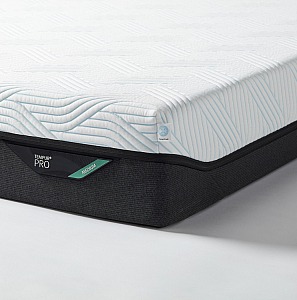
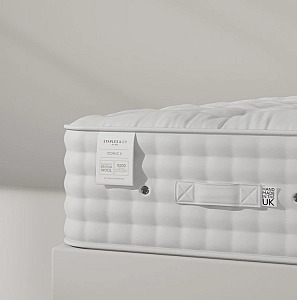
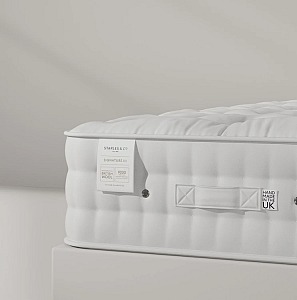
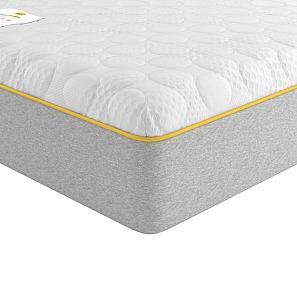
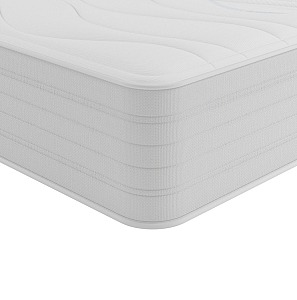
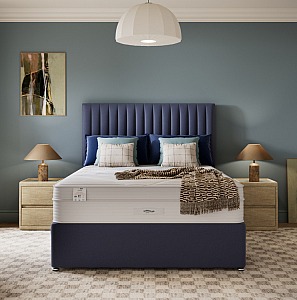
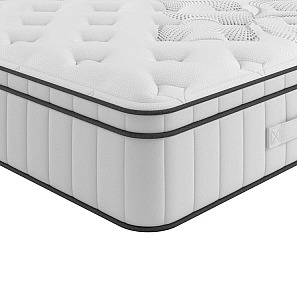
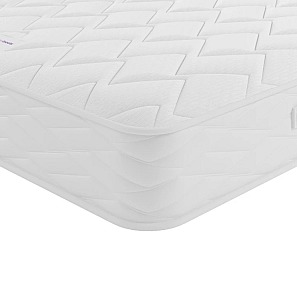
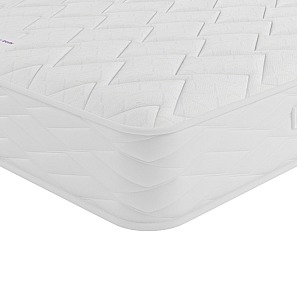
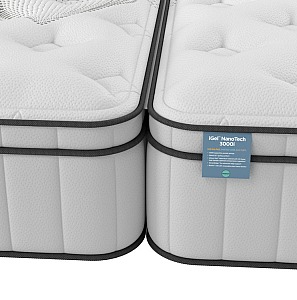
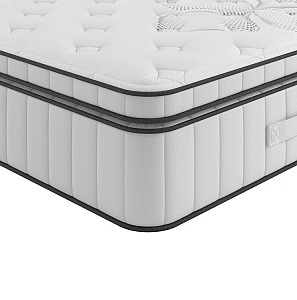
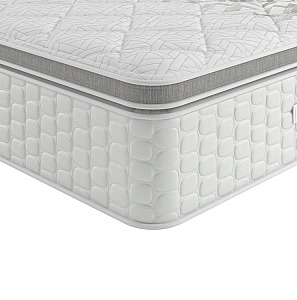
Soft mattresses let your shoulders and hips sink into a deep, cushioned top, so you lie in the bed rather than on it. They suit side sleepers, lighter people and anyone with sore pressure points. Every mattress here is rated 1 to 5 on our firmness scale or is sold in a soft option. That covers Tempur and soft memory foam, iGel and eve hybrids, Dunlopillo latex and Staples & Co natural pocket springs.
Want a touch more support? Try our medium mattresses. For an extra plush layer on top, browse our pillow top mattresses.
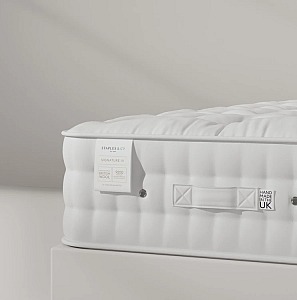
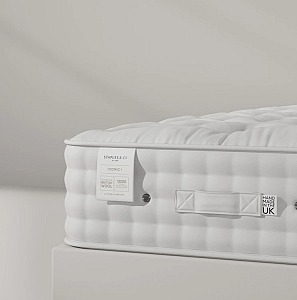
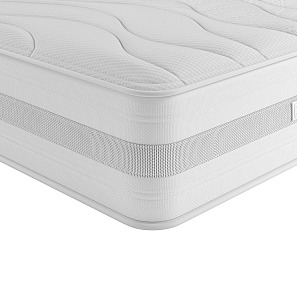
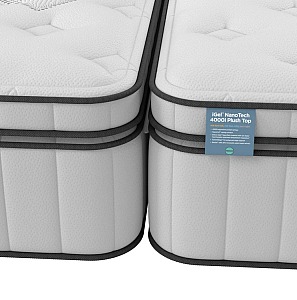
A soft mattress has a thick, yielding comfort layer over its support core. Press your hand into it and it gives a long way before you feel anything firm. Lie on it and the top moulds round your body, so the bed takes your shape instead of pushing back. That's what sets soft mattresses apart from firmer ones.
That plush feel comes from the layers near the surface. Foam, latex, natural fibres, gel or graphene foam, or a quilted pillow top sit over pocket springs or a foam base. The core still does the supporting. The top layer decides how deep you sink.
There's no fixed industry scale for mattress firmness. One brand's soft can feel like another's medium. Some makers use one to five, others one to ten, and Tempur simply labels each model soft, medium, medium firm or firm. On our product pages every mattress has a rating from 1 (softest) to 10 (firmest).
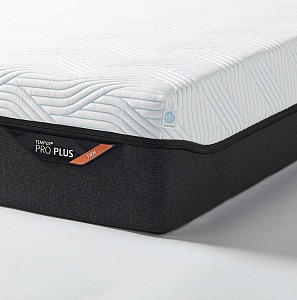
Many of the soft mattresses on this page are sold in more than one comfort grade. Tempur Pro SmartCool, iGel NanoTech and Staples & Co models all come in a soft option, so pick soft on the product page before you buy.
Soft mattresses are a good match for some sleepers and a poor one for others. Your sleeping position and your body weight matter most.
People who sleep on their side gain the most from a soft mattress. On your side, your weight goes through two narrow points, the shoulder and the hip. A firm surface pushes back hard at both, which can leave a numb arm or an aching hip by morning. A soft comfort layer lets them sink in, so your waist is supported and spinal alignment holds from neck to tailbone.
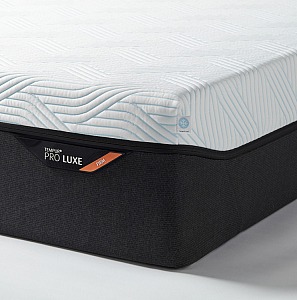
Every product page here gives a side sleeper score out of 10. The Tempur Pro SmartCool, Tempur Pro Luxe SmartCool, Dunlopillo Diamond and Slumberland Air 6.0 all score 8 or 9. You'll find more on our best mattress for side sleepers page.
Body weight changes how any mattress feels. Someone with a lighter build barely presses into a firm mattress, so it feels hard all night. A soft mattress gives them the same pressure relief a heavier person gets from medium. As a rough guide, many retailers point people under about 12 stone towards soft mattresses or a medium soft mattress. Above about 16 stone, a soft mattress can let the hips sink too far, so most heavier sleepers do better with medium firm or our mattresses for heavy people.
Back sleepers can get on with a soft mattress if they're light. The danger is that the pelvis, the heaviest part of you, drops below the shoulders and flattens the curve of your lower back. Front sleepers have it worse. Their hips sink, the back arches, and they often wake stiff. Most front sleepers are better on medium firm or firm.
If you like soft and your partner likes firm, you don't have to meet in the middle. A zip and link mattress is two single halves joined into one king or super king. The iGel NanoTech 3000i and 4000i Plushtop and the Staples & Co models here come in zip and link versions, and the design can let each half have its own firmness. Check the comfort options on the product page. See all our zip and link mattresses.
Not always. A soft mattress is bad for your back when it lets your spine sag out of line. That usually happens to heavier people, front sleepers, or anyone on an old mattress that has lost its support. For a light person sleeping on their side, soft mattresses often keep the spine straighter than a hard one, because the shoulder and hip can drop to the level of the waist.
Studies lean towards medium firm for people with long-term low back pain, not soft and not very firm. If your back already hurts, try a medium or medium firm feel first. The NHS advice on back pain is to keep active and see a GP if it doesn't ease within a few weeks. Our mattresses for back pain page covers the options.
A soft mattress can also help with joint pain. People with sore hips or shoulders often find the deeper cushioning eases the ache of lying on one side.
Soft describes how a mattress feels, not what's inside it. Every main build comes in a soft version. Each type gets there differently, and each has a trade-off. This table covers the soft mattresses listed on this page.
| Type | Examples here | Depth | Springs | Guarantee | Price band | Best for |
|---|---|---|---|---|---|---|
| Memory foam | Tempur Pro SmartCool, Pro Plus and Pro Luxe | 21cm to 30cm | None | 10 years | About £1,100 to £1,700 | Deep pressure relief, a still bed |
| Hybrid | iGel NanoTech 3000i and 4000i, Slumberland Air 6.0, eve Hybrid Duo Plus Soft, Memory Pocket 2500 | 28cm to 34cm | 2,550 to 4,000 | 5 to 10 years | About £375 to £2,800 | Side sleepers who want some bounce |
| Latex | Dunlopillo Millennium and Diamond, Slumberland Response Latex 3.0 and Ultimate | 32.5cm to 35cm | None to 3,750 | 8 to 15 years | About £680 to £2,600 | Soft but springy, sleeping cooler |
| Natural pocket sprung | Staples & Co I, II and Signature III | 35cm to 38cm | 9,200 to 15,200 | 15 to 20 years | About £3,600 to £6,900 | Wool fillings and a long life |
| Open coil with memory foam | Arezzo Soft Feel, Lytham, Braunton | 22cm | Open coil unit | 5 years | About £220 to £440 | Spare rooms and tight budgets |
Prices change often and vary by size, so check the product page for today's price.
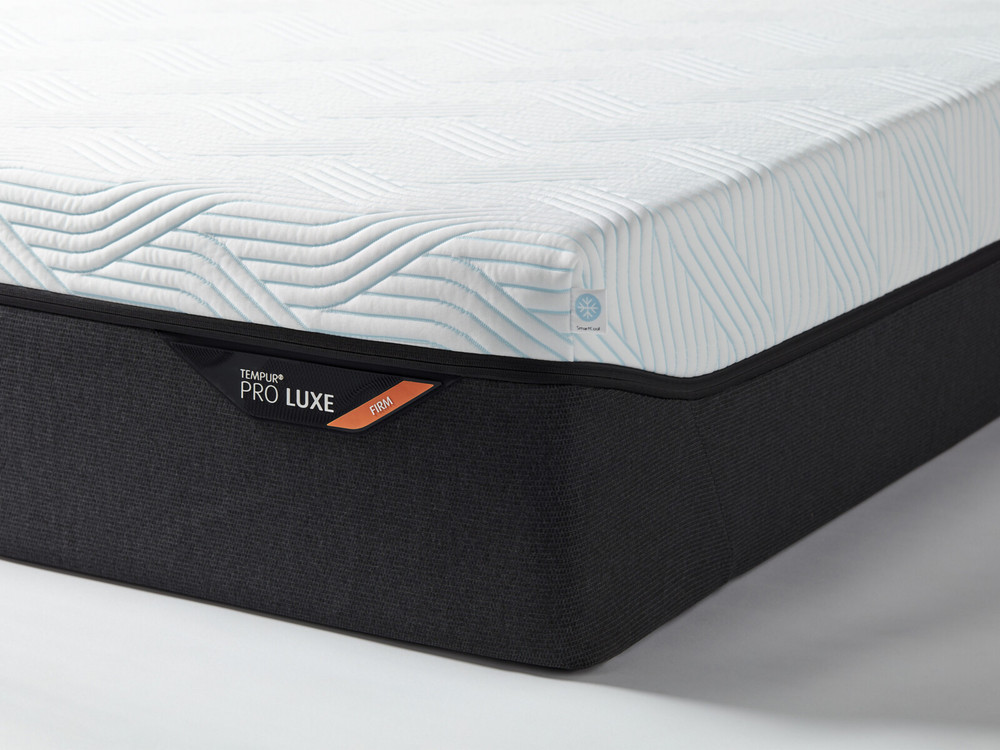
A soft memory foam mattress is the classic hugging feel. The foam warms and slowly moulds to contour round you, so pressure spreads evenly and you barely feel a partner turn over. The catch is heat. The deeper you sink, the more foam wraps round you, and some people sleep warm. Tempur tackles that with a SmartCool cover and a zip-off top you can wash. You can see the whole Tempur mattress range on the maker's site. More options are on our memory foam mattresses page.
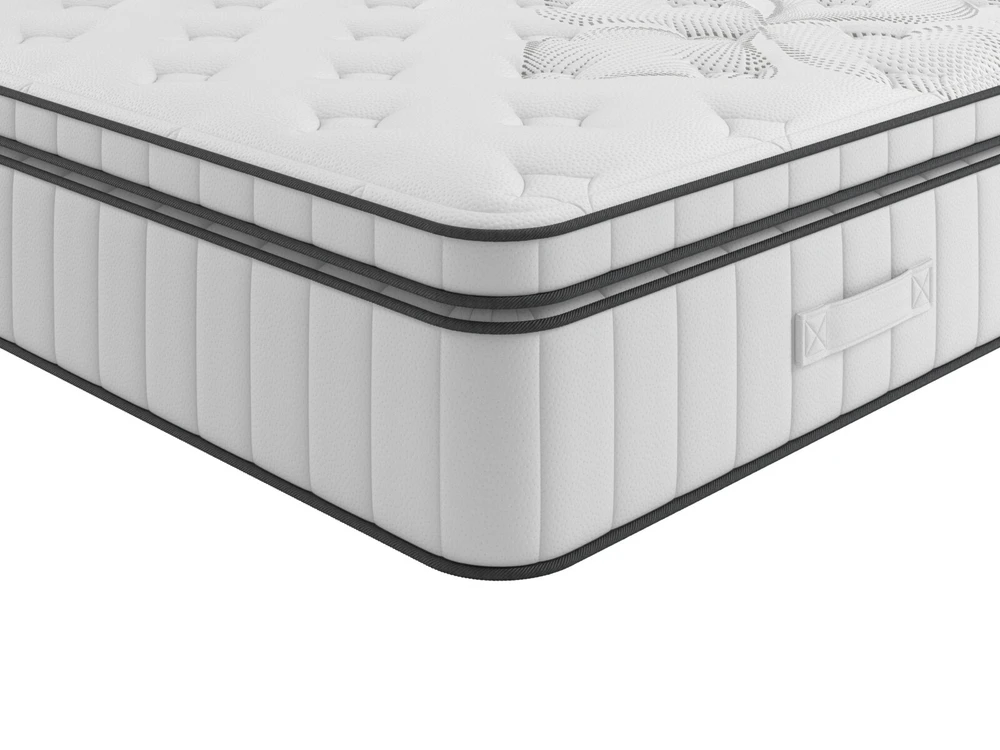
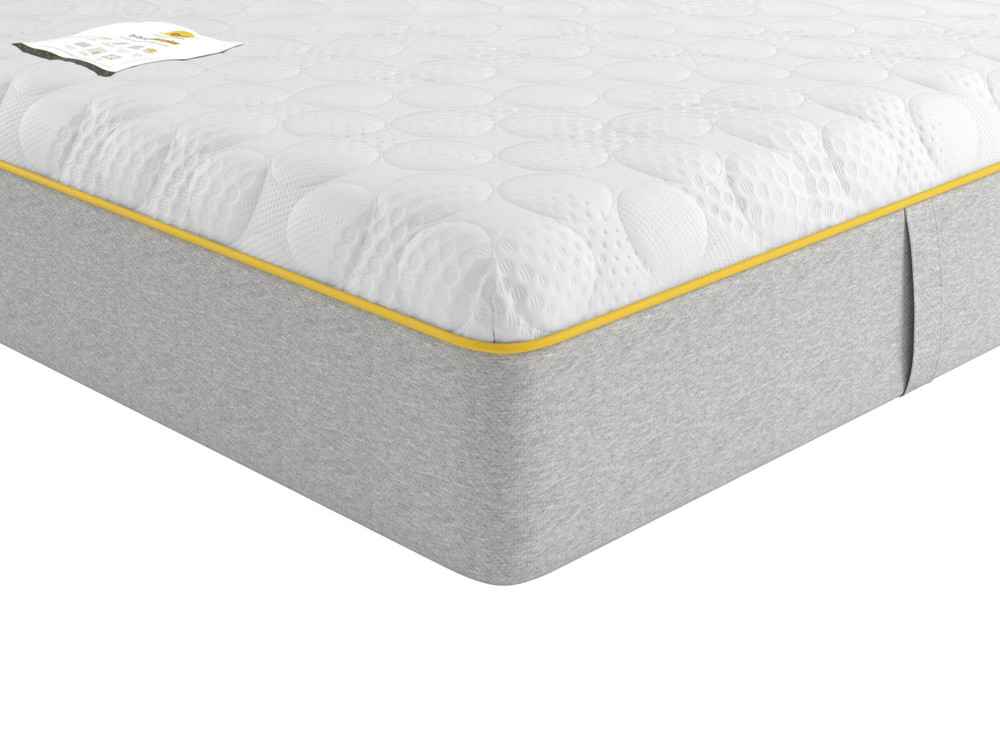
A hybrid puts soft foam over a pocket sprung mattress core, giving extra support. You get the sink of foam with the lift and airflow of springs, so it's easier to turn over and less likely to trap heat. The iGel NanoTech range uses graphene foam to draw heat away and is accredited by MTick, a scheme for products that help with menopause symptoms such as night sweats. The eve Hybrid Duo Plus comes in a soft-only version and is rolled for delivery. Browse every firmness on our hybrid mattresses page, or see our cooling mattresses if you run hot.
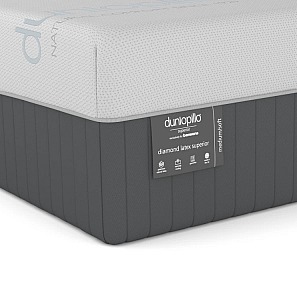
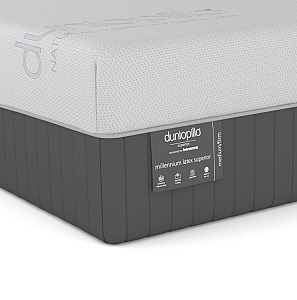
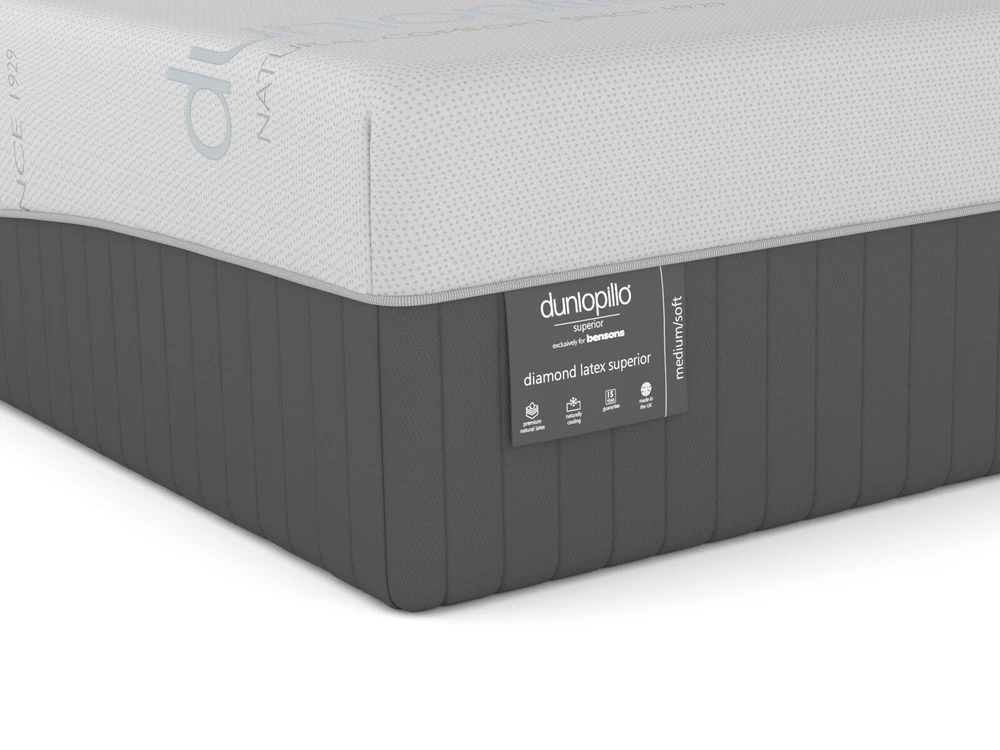
This material feels soft and springy at once. It gives cushioning like foam but bounces back quickly, so you never feel stuck. Dunlopillo uses graphite-infused Talalay, 75mm thick in the Millennium and 100mm in the Diamond, over an aerated foam core. Both are made in the UK and come in soft, medium, medium firm, firm and extra firm. Compare them all on our latex mattresses page.
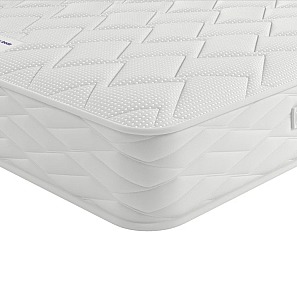
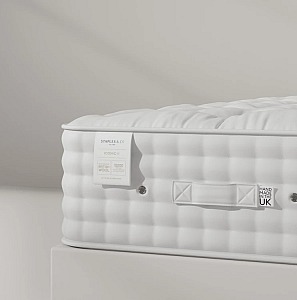
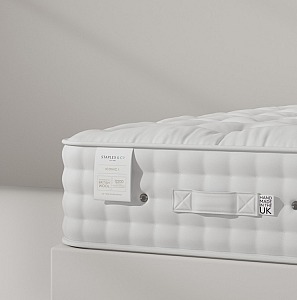
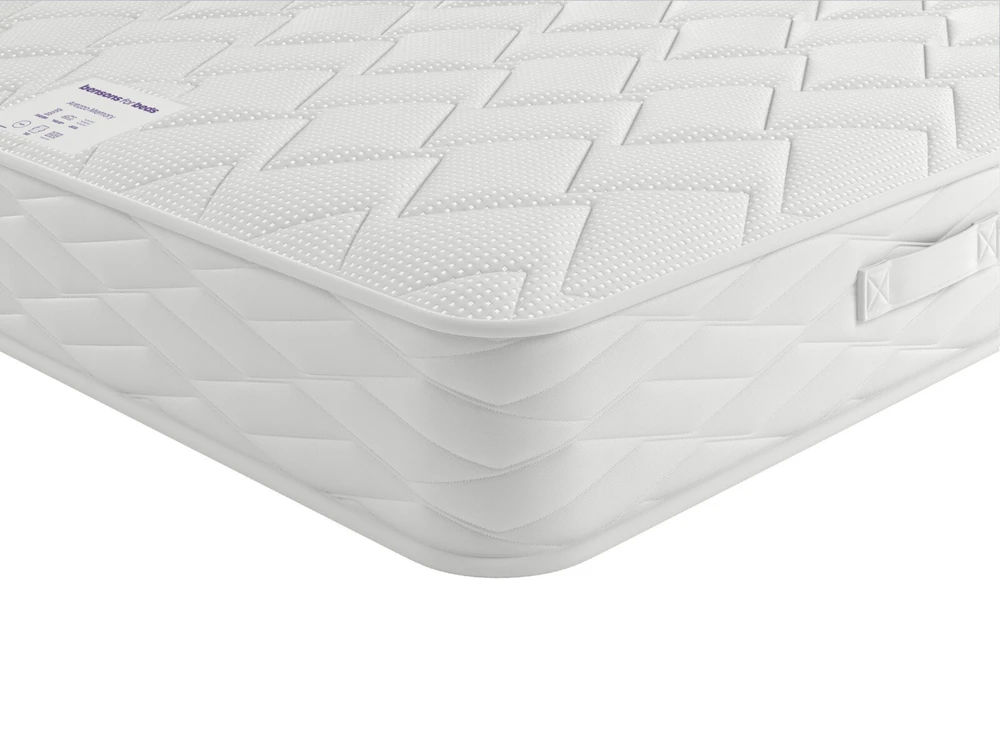
At the top end, Staples & Co build soft mattresses from British wool, lambswool and mohair over five layers of pocket springs, with 15 to 20 year guarantees. At the other end, the Arezzo, Lytham and Braunton put a soft memory foam layer over a deep open coil unit. They're a sensible pick for a guest room or a child's first full-size bed.
The gap between soft and medium is the depth of the comfort layer. Soft mattresses have the deepest one. A medium soft mattress sits between the two, and medium sits a step firmer, with an even balance of cushioning and lift that suits a wider range of weights.
Pick soft if you're a side sleeper, you're under about 12 stone, or firm beds give you sore shoulders. Pick medium if you switch between your side and your back, you share the bed with someone heavier, or you've found soft beds leave you stiff. Compare both with our medium mattresses.
Soft memory foam and pillow top mattresses usually feel the softest, because they have the deepest, slowest comfort layers. Talalay is soft too, but it springs back faster.
Yes, for most. A soft mattress lets the shoulder and hip settle so your spine stays straight. Heavier people may need a medium soft mattress or medium for enough support.
Most good mattresses last around seven to ten years. The comfort layers on soft mattresses can show body impressions sooner, so rotate it head to foot every few months if the maker says to.
A dense foam or latex mattress topper adds some firmness. A solid base or slats with narrow gaps helps too. If it still sags in the middle, it's likely worn out.
Add a soft mattress topper of foam or fibre. It's a cheap way to test whether a soft mattress suits you before you buy one.
It can help light side sleepers. For long-term low back pain, a medium or medium firm feel is usually the safer choice. Good sleep habits help too: see the NHS tips on getting to sleep.