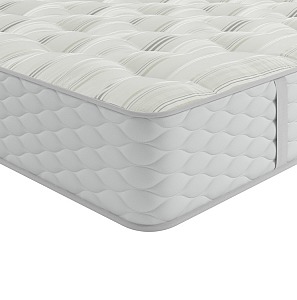
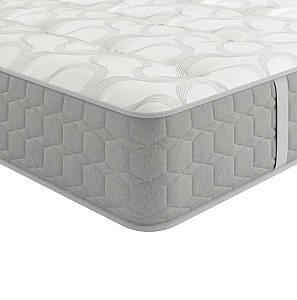
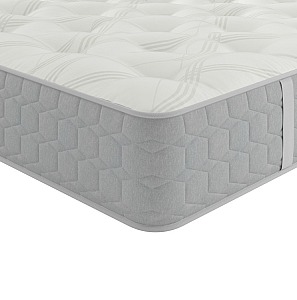
Good mattresses for heavy people hold you on top of the bed rather than letting your hips sink into a dip, so your spine stays level and the mattress keeps its shape for years. Every mattress here is firm enough, deep enough or well enough sprung for a heavier build, from extra firm open coil and orthopaedic pocket sprung models to latex and high spring count hybrids.
If you mainly sleep on your back or front, start with our firm mattresses. Heavier side sleepers often get on better with a firm core and a deeper comfort layer, so have a look at the hybrid mattresses too.
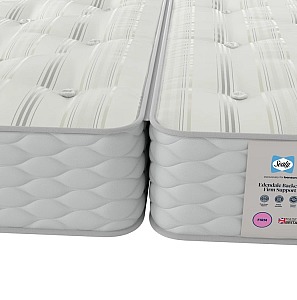
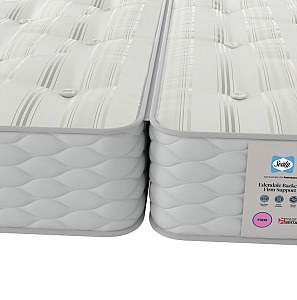
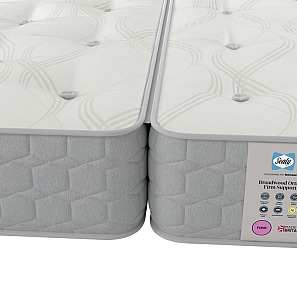
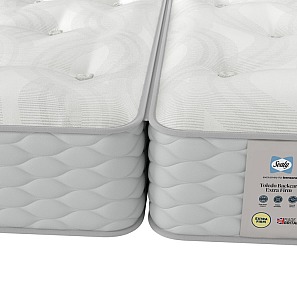
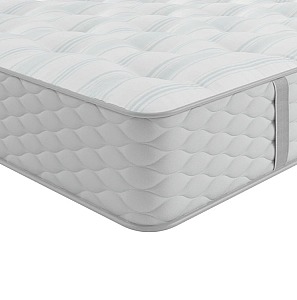
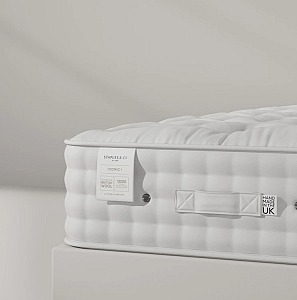
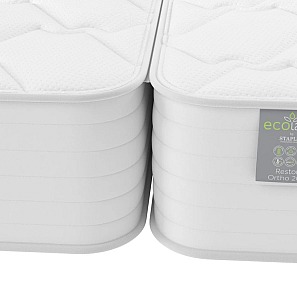
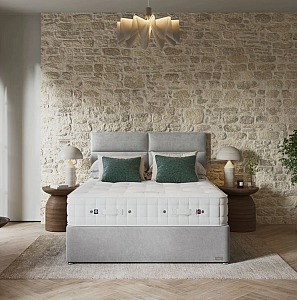
A mattress works by pushing back against your body. The more you weigh, the harder it has to push to stop your hips and shoulders sinking out of line. A mattress that feels lovely and supportive to a 10 stone sleeper can feel soft, hot and saggy to someone at 18 stone, and it will wear out faster under the extra load.
So the best mattress for heavy people does three jobs at once:
Most UK mattress guides treat anyone over about 16 stone (around 101kg) as a heavier sleeper. That's where the advice shifts from medium firm towards firm, and where depth and construction start to matter as much as feel. Finding the right mattress is about matching support to your body weight and sleeping position, not just picking the hardest one.
Heavier people usually need a firm mattress or a firm-leaning medium firm. A soft mattress lets you sink in too far, which forces the spine out of alignment and makes turning over and getting out of bed harder work. That said, the hardest board you can find isn't automatically right either. If the top has no give at all, the shoulders and hips take all the pressure.
Every mattress on this page has a firmness rating from 1 (softest) to 10 (firmest). Here's how they split:
As a rough guide, a heavier sleeper who lies on their back or front will be happiest around 7 to 9. If you're between 16 and 20 stone and sleep on your side, a 6 or 7 with a deep comfort layer is usually the better place to start. Above that, lean firmer. Our extra firm mattresses collection has the full range at 9 and 10.
The Sleep Foundation's guide to firm and soft mattresses explains how body weight and sleeping position change which firmness feels right.
This table sums up the 51 mattresses on this page by construction. The figures come straight from each product's own specification. Prices change every day, so use the cards above for today's price.
| Type | On this page | Firmness (1-10) | Depth | Springs | Guarantee | Best for |
|---|---|---|---|---|---|---|
| Open coil (Sealy) | 15 | 8 to 10 | 27cm | PostureTech coil unit | 5 years | Back and front sleepers who want a very firm, flat feel at a lower price |
| Pocket sprung | 20 | 5 to 9 | 23 to 38cm | 600 to 12,200 | 5 to 20 years | Most heavier sleepers, couples, anyone who wants support plus airflow |
| Hybrid | 8 | 6 to 9 | 25 to 34cm | 1,000 to 6,300 | 5 to 10 years | Heavier side sleepers who need pressure relief on a firm base |
| Natural fillings | 4 | 6 to 8 | 28 to 33cm | 1,900 to 6,700 | 8 to 10 years | Hot sleepers who want wool and a springy, breathable feel |
| Latex | 3 | 6 to 8 | 27 to 34cm | Up to 2,550 | 8 to 15 years | Sleepers who want quick bounce-back and even push-back |
| Memory foam on springs | 1 | 8 | 31cm | 2,050 | 5 years | Heavier sleepers who like a contouring top but need a firm base |
Most of the open coil models start between about £350 and £850, with the zip and link versions costing more. The deep orthopaedic pocket sprung and hybrid mattresses mostly start between £500 and £1,500, and the hand-made Staples & Co pocket sprung models run up to several thousand pounds.
There's no single mattress type that suits every heavier sleeper. The best mattresses for heavy people share a firm core, a durable comfort layer and good edges, but the way each mattress gets there differs. Here's how the main mattress types compare.
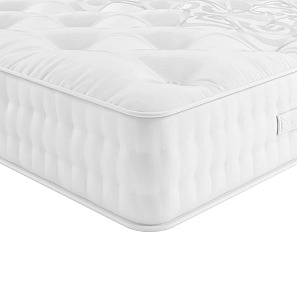
A pocket sprung mattress is the safest all-round choice for heavier sleepers. Each spring sits in its own fabric pocket and compresses on its own, so the heaviest parts of your body get more push-back and the lighter parts get less. Higher spring counts and two-layer systems spread the load over more springs, which helps both comfort and durability.
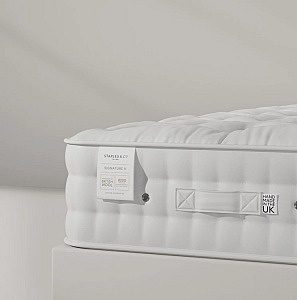
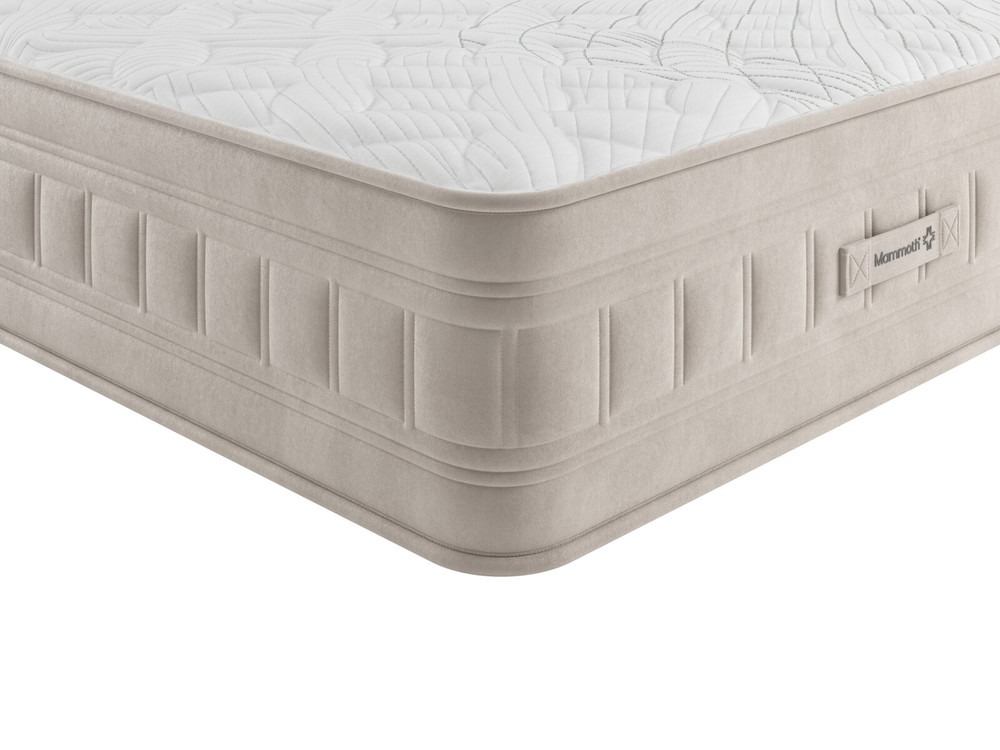
The Mammoth HealthPRO Ultra, for example, has 4,600 springs in two layers: 1,600 full-height springs for core support and 3,000 mini springs above them for finer contouring. The Staples & Co Restore Eco Latex Ortho 2000 adds two rows of extra firm wire springs round the sides so the edge holds up under weight.
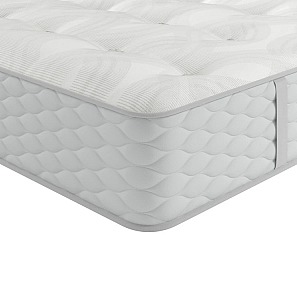
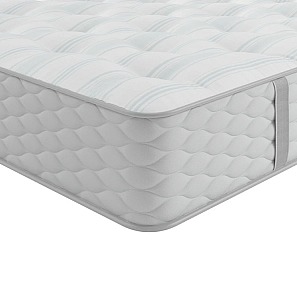
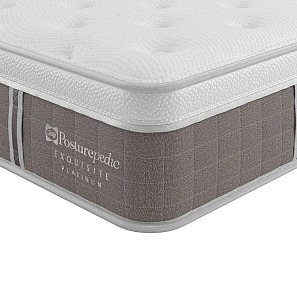
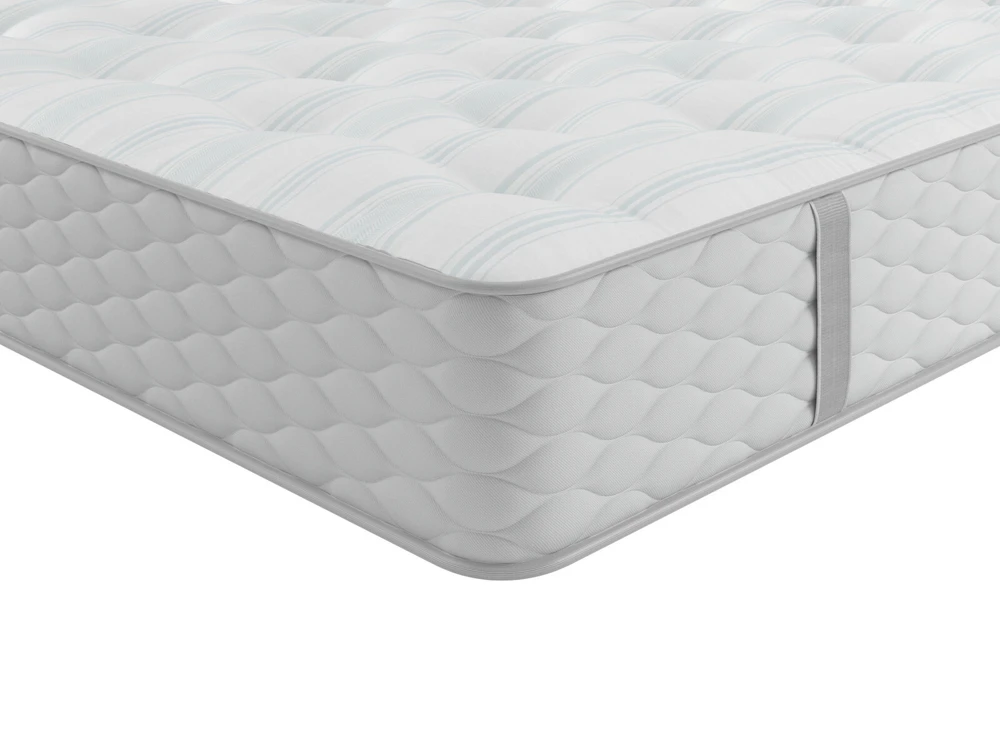
An open coil mattress uses one connected spring unit. It's firmer and flatter than most pocket sprung designs and usually costs less. The Sealy Ortho and Backcare models here use PostureTech springs that get firmer the more weight goes on them. Some add a PowerPack zone of extra support under the hips. They suit heavier back and front sleepers who like to lie on top of the bed, although couples feel more movement than on pocket springs.
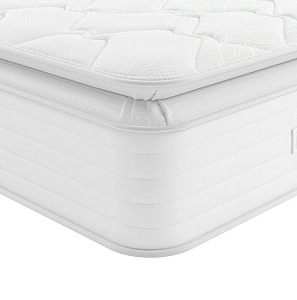
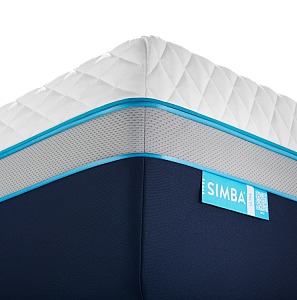
A hybrid mattress pairs pocket springs with a thick foam comfort layer. For heavier side sleepers it is often the best match, because the springs carry the weight while the foam lets the shoulder and hip sink in just enough. Look for at least 1,500 springs and a firmness of 6 or more. The hybrid range here includes the Simba Sleep Hybrid Ultra with 6,300 springs and the Simba Sleep Hybrid Pro with 3,800.
All-foam mattresses with soft, low-density memory foam aren't a great fit for heavier people. They let you sink deep, trap heat and can soften within a few years. A memory foam mattress works much better for heavier people when the foam is a top layer over a firm spring base, giving pressure relief with real support underneath. The only memory foam mattress on this page is built that way, with 2,050 pocket springs under its foam layer and a firmness rating of 8.
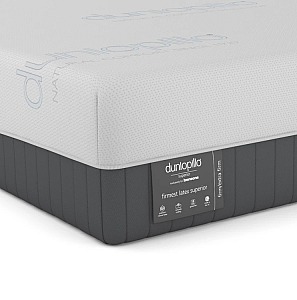
Latex mattresses push back evenly and spring back quickly, so you stay on top of the surface rather than in it. That makes turning over easier for heavier people. Latex also breathes better than dense foam. The Slumberland Response Latex Luxe pairs a latex layer with 2,050 springs at firmness 8, while the Dunlopillo Firmrest Latex Superior comes with a 15-year manufacturer's guarantee.
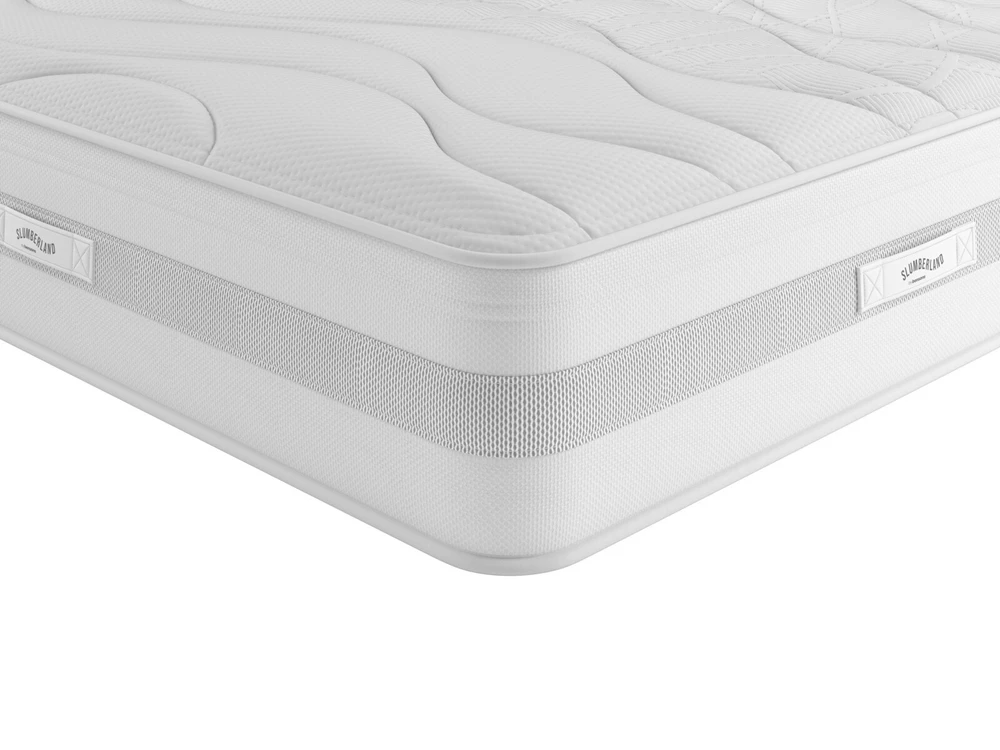
Depth matters more for heavier sleepers than for anyone else. A deeper mattress has more layers between you and the base, so there's less chance of feeling the springs or bottoming out, and the comfort layers last longer. Most guides suggest at least 25cm for anyone over 16 stone, and many specialist shops go further and recommend 30cm or more.
On this page, 46 of the 51 mattresses are 25cm deep or more, and 22 are 30cm or deeper. The deepest are the Staples & Co Refresh Eco Latex Pocket 3000 at 38cm and the Staples & Co 12,200 Spring (Model I) at 37cm. The few 23cm models are firm orthopaedic designs at the budget end. They give solid support but won't feel as cushioned.
A deeper mattress needs deep fitted sheets, so check the pocket depth on your bedding before you order. A mattress protector is worth adding too, as it keeps the comfort layers clean and helps the mattress last.
Lying on your back puts most of your weight through the pelvis. A firm mattress at 7 to 9 keeps the hips up and the lower back in its natural curve. Designs with extra support in the middle, such as the Sealy Melbourne with its PowerPack under the hips, help too.
Side sleeping concentrates your weight on the shoulder and hip. On a very hard surface that leads to sore joints, while a soft one lets the waist sag. The answer is a firm spring core with a deeper comfort layer: the Mammoth HealthPRO Ultra, the Slumberland Response Latex 2.0 and 4.0 and the Simba hybrids all score 6 or more for side sleepers here. You'll find more on our mattresses for back pain page if your back aches in the morning.
Front sleeping pushes the stomach and hips down and arches the lower back. Go firm, 8 or above, and use a flat pillow. Many of the extra firm open coil and orthopaedic models here are tagged for front sleepers.
Heavier people tend to sit on the side of the bed to dress or get up, and that's where cheaper mattresses break down first. Reinforced edge support is one of the clearest signs of a heavy duty mattress. Good edge support stops the sides collapsing, cuts roll-off and lets you use the full width of the bed. Look out for:
Turning and rotating matter more with extra weight too. Most mattresses here are rotate only, so turn them head to toe every few weeks for the first three months, then every three months. The two-sided Hypnos and Staples & Co models can be flipped as well, which spreads the wear further.
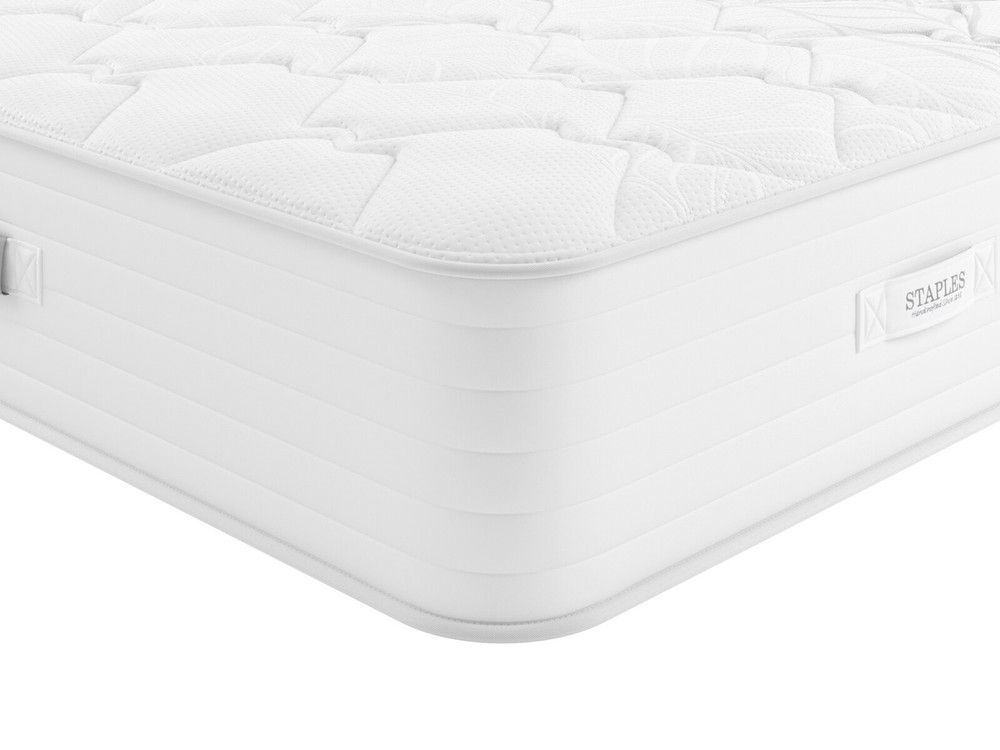
When two heavier people share, or one partner is much heavier than the other, size and construction both matter. A king size mattress gives each of you more room and spreads the combined weight over a bigger area. A super king mattress is better still if there's space for it. Pocket springs keep movement on your own side, which open coil can't.
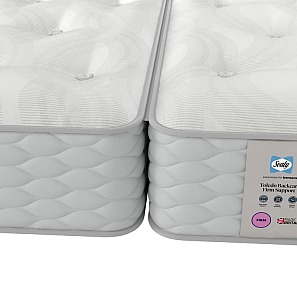
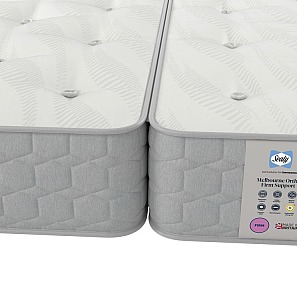
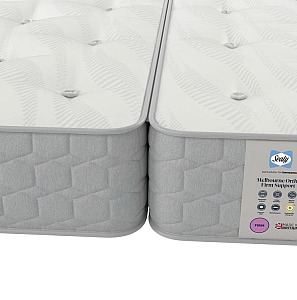
If one of you needs a much firmer feel, a zip and link mattress solves it: two single mattresses zip together into one bed, so neither of you rolls into the other's dip and the halves can be split later. The Sealy Melbourne, Toledo and Edendale ranges all come in zip and link versions in both firm and extra firm.
Heavier sleepers sink further into the comfort layers, so more of the body is in contact with the mattress and heat builds up faster. Cooling matters more than most buying guides admit. Look for:
If you often wake up hot, our cooling mattresses collection has more support options built around airflow.
A heavy duty mattress is only as good as what it sits on, and the right mattress on the wrong frame won't give you the spinal alignment you're paying for. A sagging slatted frame or a tired divan will let the mattress dip whatever its spring count. Check the bed frame's stated weight limit, look for slats set close together and a centre support rail on doubles and bigger. The retailer doesn't list a maximum weight for most of these mattresses, so if you're over about 25 stone, ask before you buy or look at a specialist bariatric mattress built for a stated higher load.
A common rule of thumb is to think about replacing a mattress after around seven years, but a heavier sleeper should watch for sagging, lumps and body impressions sooner. The Sleep Charity has more advice on sleeping well as an adult. Firmer springs, deeper layers and latex all hold up better than soft foam. Guarantees give a clue too: the Sealy models here carry 5 years, the Mammoth and Simba ranges 10 years, Dunlopillo 15 years and the top Staples & Co model 20 years.
Waking up stiff is often the first sign a mattress has gone. If the ache eases during the day, the NHS advice on back pain lists simple ways to ease it. Which?'s mattress buying guide is worth a read before you buy, and lying on a mattress in your usual position for a good few minutes tells you far more than pressing it with your hand. Many of the mattresses on this page come with a 40-night comfort guarantee, so you can try one at home.
For most heavier people the best mattress is a firm or medium firm pocket sprung or hybrid mattress at least 25cm deep, with a high spring count and reinforced edges. Back and front sleepers should go firmer (7 to 9), side sleepers a little softer on top (6 to 7).
Usually, yes. The heavier you are, the further you sink, so a firm mattress keeps your spine level. But very firm isn't right for everyone, especially side sleepers. Medium firm can work if the mattress is deep and well sprung, as on our medium firm mattresses page.
Yes. A hybrid mattress with plenty of pocket springs carries the weight while the foam top gives pressure relief. Choose one rated 6 or firmer with 1,500 or more springs.
Most UK mattress advice uses about 16 stone (101kg) as the point where you should look at firmer, deeper and more durable mattresses. Specialist heavy duty mattresses are built for 25 stone and above.
An orthopaedic mattress is designed to be firm and supportive, so it suits many heavier sleepers, especially back and front sleepers. Check the firmness rating, as "ortho" alone doesn't tell you how firm it is.
A topper can soften a firm mattress for a heavier side sleeper, but it won't fix a mattress that's already sagging. A topper on a worn mattress just follows the dip underneath. If your mattress dips in the middle, it's time for a new one.