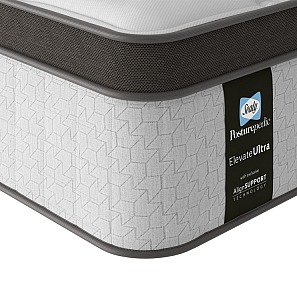
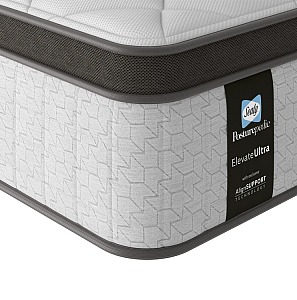
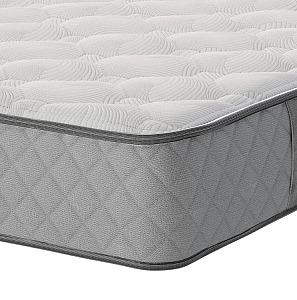
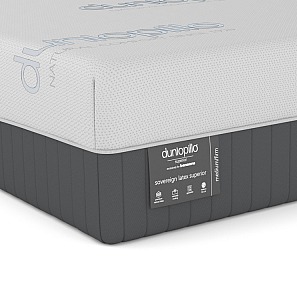
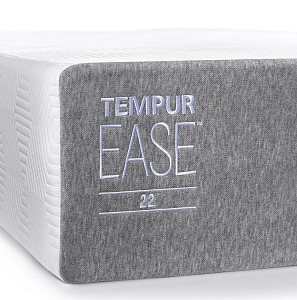
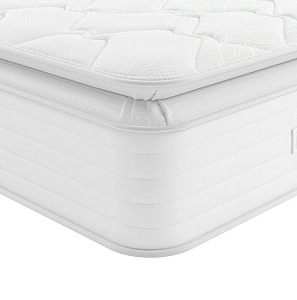
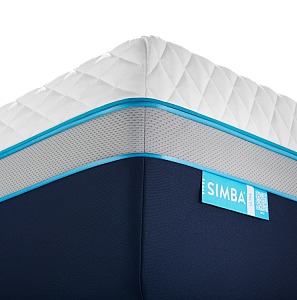
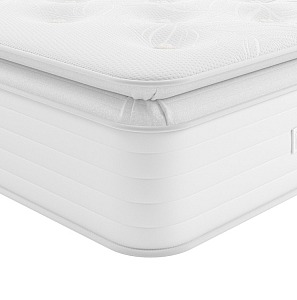
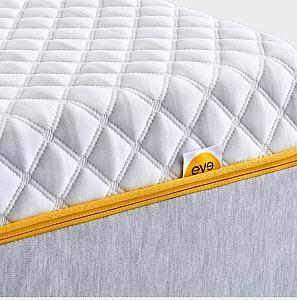
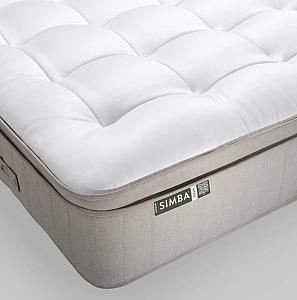
A medium firm mattress gives your spine steady support with a little give on top, so your shoulders and hips can settle in without the rest of you sinking. It's the firmness most people end up happiest on, whether you sleep on your side, your back or a bit of both. Every mattress here is rated 6 or 7 out of 10 on our firmness scale or comes in a medium firm option. Choose from Simba and Eve hybrids to Tempur memory foam and Dunlopillo latex.
Want more cushioning at the shoulder? Have a look at our medium mattresses. If you'd rather lie on top of the bed than in it, try our firm mattresses.
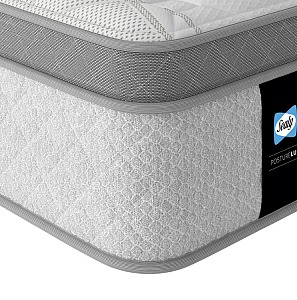
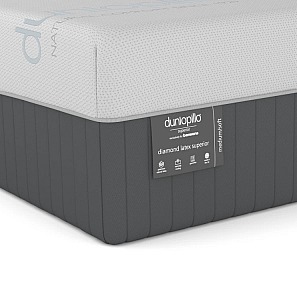
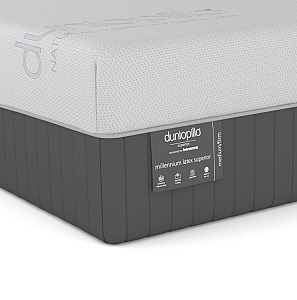
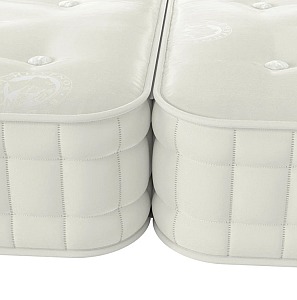
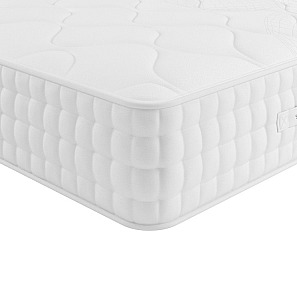
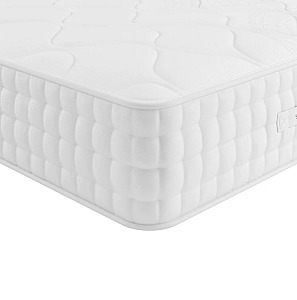
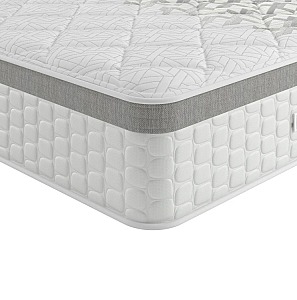
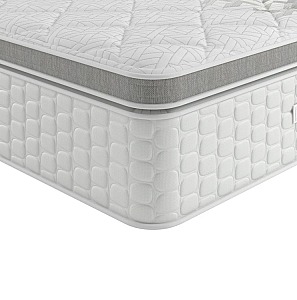
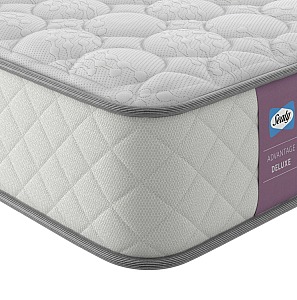
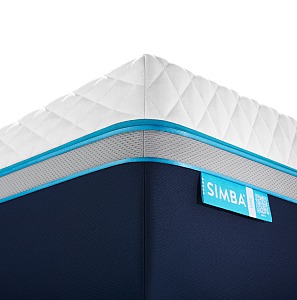
A medium firm mattress sits just above the middle of the firmness scale. Press your hand into it and the top gives a little. Then you meet solid support underneath. Lie on it and you'll feel held up rather than hugged.
That balance is the whole point. The comfort layer is soft enough to ease pressure at the shoulders and hips. The core is firm enough to stop your middle dipping, so your spine stays in a straight line from neck to tailbone.
There's no industry standard for mattress firmness, so one brand's medium can feel like another brand's medium firm. Some retailers use a scale of one to five, others one to ten. Makers such as Tempur simply label each model soft, medium, medium firm or firm. On our product pages every mattress has a rating from 1 (softest) to 10 (firmest). Medium firm sits at 6 or 7.
Here's roughly where it falls on our scale.
A mattress rated 6 feels like a true middle ground. One rated 7 sits at the firmer edge of medium firm, so it suits back sleepers and heavier people best.
This firmness is the closest thing to an all-rounder. It suits most adults of average build, couples who can't agree on firmness and anyone furnishing a guest room for visitors whose sleeping habits they don't know.
Side sleepers put most of their weight through the shoulder and hip. On a hard mattress those two points take the strain and the waist sags into the gap. A medium firm build with a deep comfort layer lets the shoulder sink just enough, so the spine stays level.
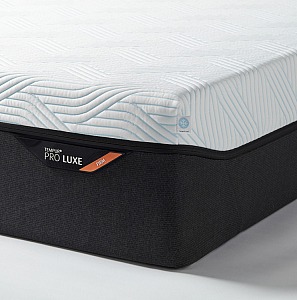
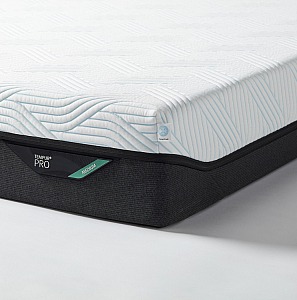
Look for a side sleeper score of 7 or more on the product page. The Tempur Pro SmartCool and Pro Luxe SmartCool both score 9 here, as does the Dunlopillo Diamond. The Simba Sleep Hybrid Luxe, Simba Sleep Hybrid Ultra and Mammoth HealthPRO Ultra each score 8. You'll find more ideas among our mattresses for side sleepers.
On your back, the heaviest part of you is your pelvis. Medium firm support holds it up so your lower back keeps its gentle curve. If you're a back sleeper with aches in the morning, a rating of 7 is a good place to start.
A stomach sleeper needs firm support through the middle of the bed, or the hips drop and the lower back arches. A mattress rated 7 usually works, paired with a flat pillow. If you change position through the night, go for a bouncy pocket sprung or latex build. Both spring back quickly, so turning over takes less effort than on deep memory foam.
When one partner likes it soft and the other likes it firm, medium firm is the usual compromise. Individually wrapped pocket springs and all-foam builds both cut down on movement, so you're less likely to feel your partner roll over. In a king size or super king, a zip and link mattress lets each of you pick a different firmness.
For many people, yes. The best known study is a Spanish trial of 313 adults with chronic low back pain, published in The Lancet in 2003. It found that people given a medium firm mattress reported less pain in bed and on getting up than those given a firm one. A 2015 systematic review of 24 trials came to a similar view on comfort, sleep quality and spinal alignment.
The evidence hasn't moved much since. A 2026 review of 47 studies in the Journal of Orthopaedics and Traumatology found medium firm support the most consistent winner over very firm or very soft surfaces. It linked medium firm mattresses with better pressure distribution, better sleep quality and less morning stiffness.
So medium firm is a sensible first choice if your back is sore. It isn't a cure, though. The NHS advice on back pain is to keep moving and see a GP if the pain lasts more than a few weeks. For more spine-friendly options, have a look at our mattresses for back pain.
The difference comes down to how much cushioning sits on top of the support. A firm mattress keeps you up on the surface with very little sink. Medium firm adds a thicker comfort layer that moulds to your shoulders and hips.
A firm mattress tends to suit people over about 16 stone, stomach sleepers and anyone who likes to feel the bed push back. Lighter people often find a firm one hard on the joints, because they don't weigh enough to press into it. If that sounds like you, medium firm is the safer pick.
Body weight changes how any mattress feels. Heavier sleepers sink further, so a medium firm model feels softer to them. If you're on the heavier side, stick to models rated 7 with plenty of springs and reinforced edges, or browse our mattresses for heavy people.
Medium firm describes the feel, not what's inside. Each mattress type gets there in its own way. Each one suits a different sleeper too. Here's how they compare on depth, springs and guarantee.
| Type | Examples here | Depth | Springs | Guarantee | Best for |
|---|---|---|---|---|---|
| Hybrid | Simba Sleep Hybrid range, Eve Original and Premium Hybrid, Dormeo Octasmart Premium Hybrid, Sealy Bronte and Orwell | 20cm to 34cm | 800 to 6,300 | 5 to 10 years | Side sleepers and couples |
| Memory foam | Tempur Ease, Tempur Pro SmartCool, Eve Original and Premium Foam | 21cm to 30cm | None | 10 years | Pressure relief and a still bed |
| Pocket sprung | Mammoth HealthPRO Ultra, Sealy Advantage Deluxe Memory 1400, Slumberland Response Latex 2.0 and 4.0, Staples and Co Eco Latex | 23cm to 38cm | 800 to 4,600 | 5 to 10 years | Back sleepers and hot sleepers |
| Latex | Dunlopillo Sovereign, Millennium and Diamond, Slumberland Response Latex Premium | 30cm to 35cm | None to 2,550 | 8 to 15 years | Springy support that lasts |
| Natural fillings | Simba Sleep Natural Hybrid Source, Escape and Apex, Slumberland Naturals Premium Wool | 28cm to 33cm | 1,900 and up | 8 to 10 years | Wool and natural fibre fans |
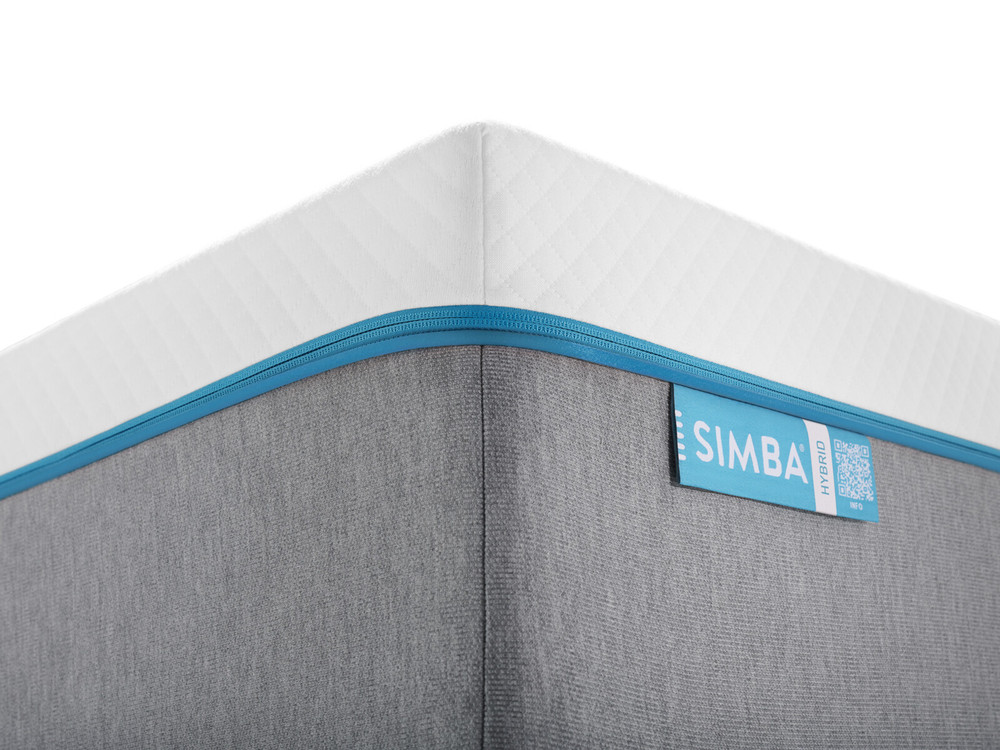
A hybrid puts foam over pocket springs, so you get the contour of foam with the bounce and airflow of springs. It's the most popular way to build this feel. It's also the biggest group here. The Simba Sleep Hybrid uses 1,900 conical Aerocoil springs over a nine-zone foam base. Eve's Original Hybrid pairs more than 800 springs with memory foam and Evecomfort foam. Our full range of hybrid mattresses covers every firmness.
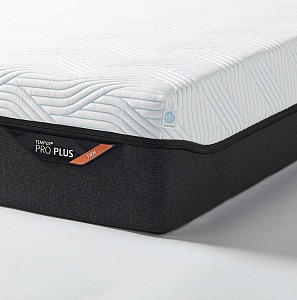
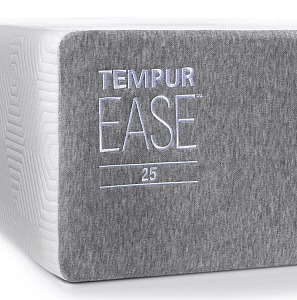
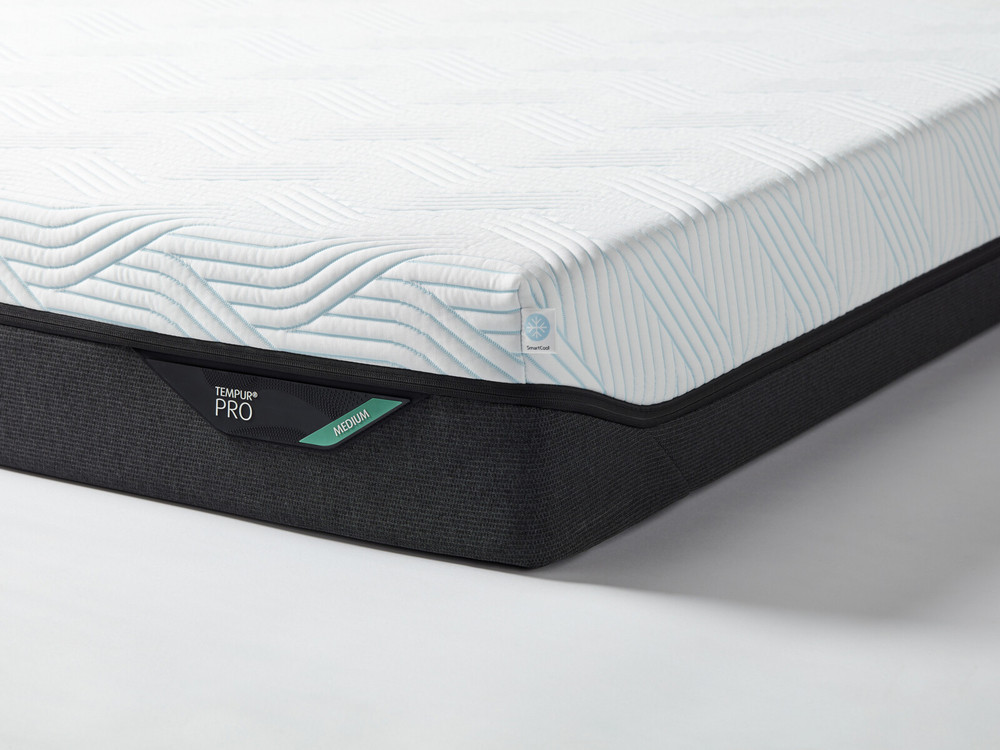
Memory foam moulds slowly to your shape, which makes it very good at easing pressure points. It also soaks up movement, so it's a good match for light sleepers sharing a bed. The catch is that some people find it warm. It can also feel like you're sinking in rather than lying on top. Tempur's Ease range comes in a single medium firm feel. The Tempur Pro SmartCool range is sold in soft, medium, medium firm and firm, so choose the medium firm option on the product page. See all our memory foam mattresses for more.
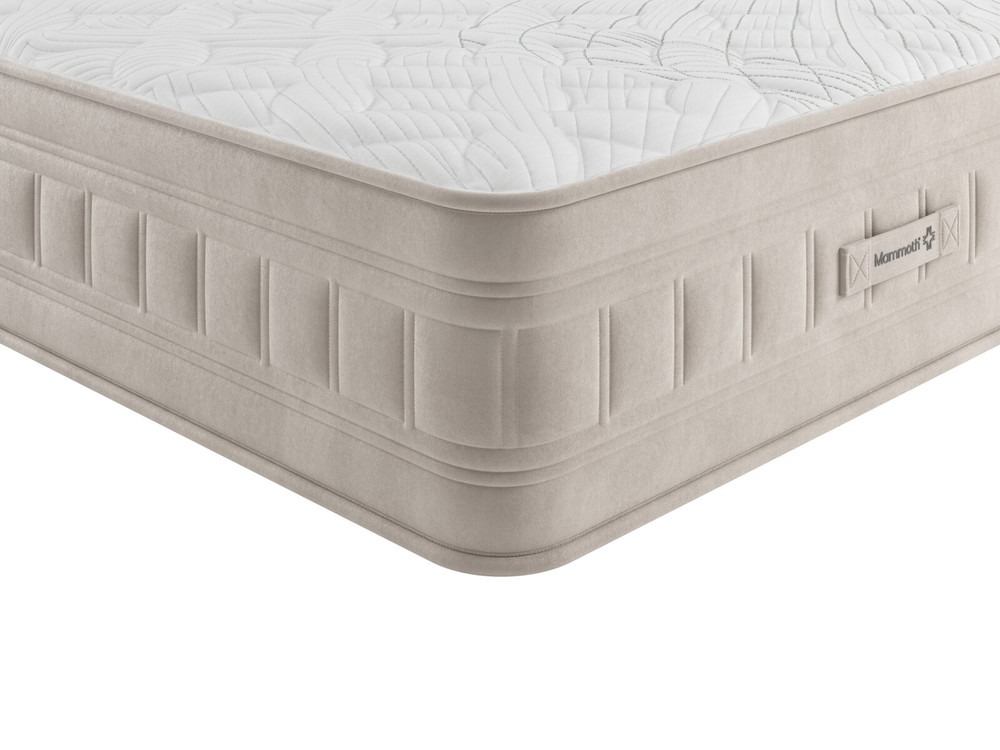
Each spring sits in its own fabric pocket and moves on its own, so the support follows your shape. Pocket springs let air move through the mattress, which helps if you run hot. A higher spring count usually means finer support. The Mammoth HealthPRO Ultra has 4,600 springs in two layers under 60mm of Medical Grade foam. Browse every pocket sprung mattress we list.
Latex is springier than memory foam and bounces back the moment you move. It's naturally breathable and lasts well, which is why the Dunlopillo models carry a 15-year guarantee. The Sovereign has 50mm of Talalay latex, the Millennium 75mm and the Diamond 100mm. All three come in several firmness options, including medium firm. You'll find more in our latex mattresses.
Traditional spring mattresses use one connected spring unit. They're cheaper but less precise than pocket springs. You'll also feel more of a partner's movement. The Sealy Advantage Wool Comfort is the medium to firm option here, with a PostureTech spring system and a wool layer on top.
There isn't one best medium firm mattress for everyone, but a few checks narrow it down quickly.
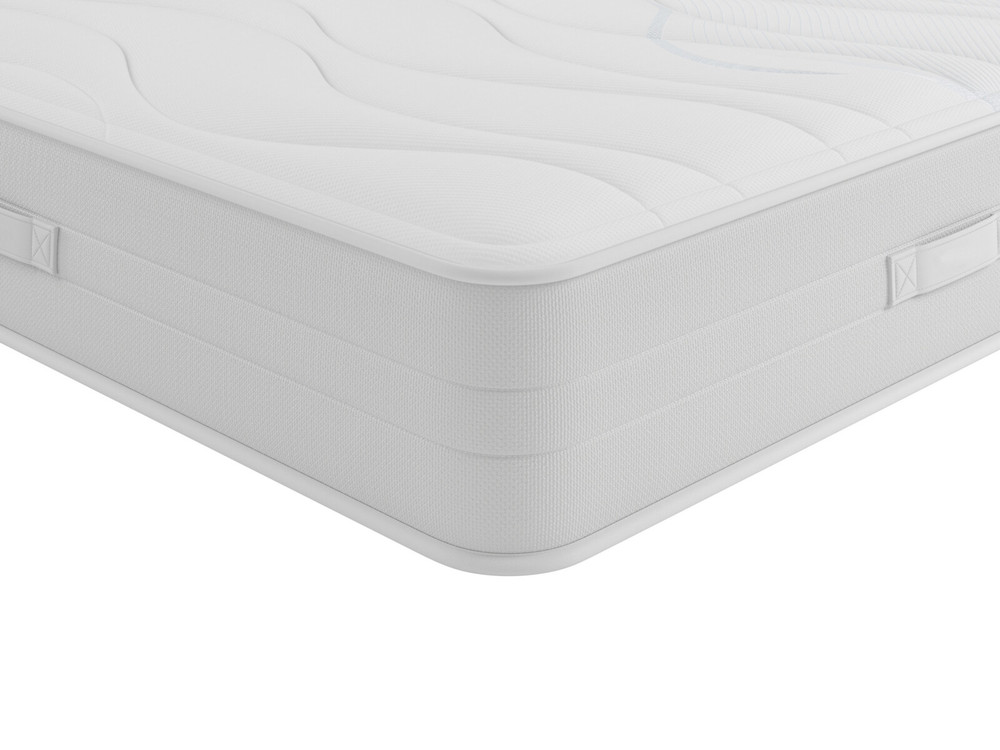
Every mattress here comes in several sizes, from a single or small single and small double up to double, king size and super king. Some ranges also offer an emperor. The price on each card is the starting price, usually for the smallest size, so expect a double or king to cost more. If you're buying for a child's room or a spare room, our single mattresses are a good start. For bigger beds, shop by size with our double mattresses, king size mattresses and super king mattresses.
As a rough guide, the own-brand pocket sprung and hybrid models start at a few hundred pounds. Most Simba, Eve and Sealy hybrids start somewhere between £400 and £1,100. The Tempur, Dunlopillo, Staples and Co and Hypnos ranges go higher. If budget matters most, our cheap mattresses are worth a look.
Your body gets used to your old mattress, dips and all. A new mattress can feel firmer than expected for the first couple of weeks while the comfort layers soften and you adjust. Boxed and rolled mattresses also need a day or two to reach their full depth, so give any new mattress time before you decide.
Yes, for most side sleepers of average weight. Your shoulder and hip settle into the top while the core keeps your spine straight. Very light side sleepers may prefer a medium mattress instead.
Research suggests it often is. The 2003 Lancet trial and later reviews found medium firm mattresses linked with less back pain and stiffness than firm ones. Heavier people and stomach sleepers may still be better on firm.
No, it feels supportive rather than hard. You'll notice some softness on top, then steady support underneath, so it shouldn't feel like lying on the floor.
On a scale of one to ten, medium firm is usually 6 or 7. On a five-point scale it's normally level three or four. Scales differ between brands, so compare the description as well as the number.
A little, as foam and fibre comfort layers settle over the first few months, which can make the mattress feel slightly softer. Rotating it regularly helps it wear evenly.
A good topper can add some cushioning to a firm mattress. It won't fix one that sags or has lost its support, because the topper simply follows the dip.