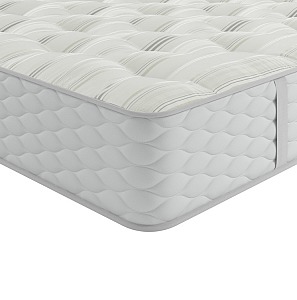
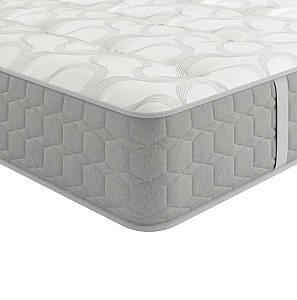
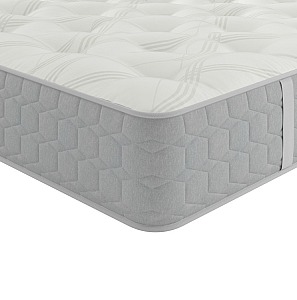
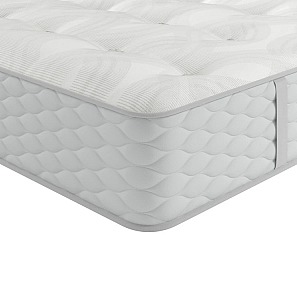
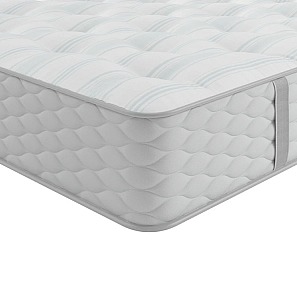
The best mattress for back pain keeps your spine level all night, so your lower back isn't sagging into a soft dip or perched stiffly on a board. For most people that means medium firm support, with enough give at the shoulders and hips to let the spine lie straight. Every mattress here comes from one UK bed retailer and is built with spine support in mind, from UK-made orthopaedic pocket sprung models to zoned foam, latex and hybrids.
Not sure where to start? If you sleep on your back or front, a firmer build usually suits. Side sleepers often get on better with something softer on top, so have a look at our medium firm mattresses as well as the firmer orthopaedic mattresses.
The short answer is a mattress that holds your spine in a neutral line, the same gentle S-shape it has when you stand up straight. That sounds simple, but the right one depends on how you sleep and how much you weigh rather than on a single magic firmness.
For most adults a medium firm mattress is the safest bet. It supports the lower back without pushing hard against the shoulders and hips. Back and front sleepers often do better one step firmer, as do heavier people. Lighter people and side sleepers usually need something a little softer on top so the shoulder can sink in.
So rather than hunting for one perfect model, look for the best match for your body and sleeping position. Good spinal alignment is the goal. The right mattress is simply the one that gets your spine there.
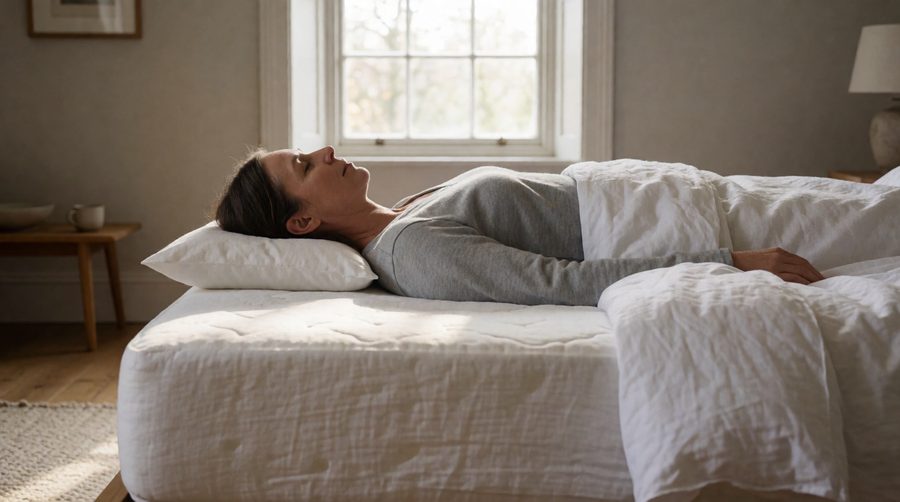
For years the advice was to buy the hardest mattress you could find. The evidence doesn't really back that up. A Spanish trial of 313 adults with chronic low back pain, published in The Lancet in 2003, compared a medium firm mattress with a firm one over 90 days. People on the medium firm mattress reported less pain lying in bed and on getting up than those on the firm one. They also reported less disability.
That doesn't mean a firm mattress for back pain is wrong. It means firmness has to suit the person lying on it. A mattress that's too soft lets the hips drop and bends the lower back. One that's too hard does the opposite, because the shoulders and hips stay propped up and the waist sags into the gap.
Each mattress here has a firmness rating from 1 (softest) to 10 (firmest), based on the retailer's own firmness scale where it shows one. Here's roughly how the range breaks down.
If you've never had back trouble on your current mattress until it started to sag, choose a similar rating in a new mattress rather than jumping straight to extra firm.
Your sleeping position changes where your weight lands, so it changes which mattress for back pain will feel right. Most of us shift between two or three positions in a night, so go with the sleeping position you wake up in most often.
Lying on your back spreads your weight fairly evenly, but the heaviest part, your pelvis, wants to sink furthest. A back sleeper with back pain usually suits a firm or medium firm mattress that supports the hips so the lower back keeps its natural curve and the spine stays neutral. Ratings of 6 to 8 are a good place to start. A thin pillow under the knees can ease the lower back further.
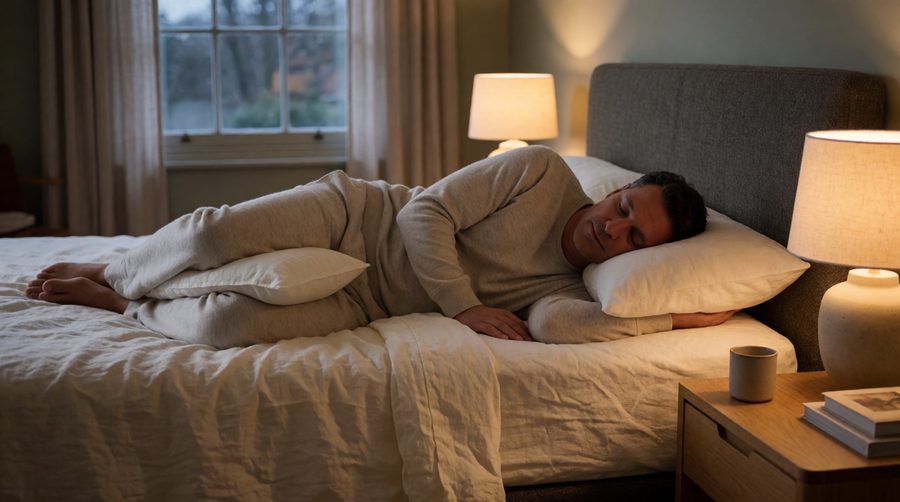
This is where the old firm-is-best advice goes most wrong. On a very hard mattress a side sleeper's shoulder and hip can't sink in, so the spine bends at the waist and pressure builds at the shoulder. People in this sleeping position need a firm support core underneath and a deeper, more forgiving comfort layer on top.
Look for a side sleeper score of 7 or more on our product pages. Good examples here include the iGel NanoTech hybrids, the Memory Pocket 2500, Mammoth's HealthPRO Ultra and Elite plus the Tempur Pro SmartCool range. A pillow between the knees keeps the top leg from twisting the lower back. You'll find more ideas among our mattresses for side sleepers.
Sleeping on your front pushes the belly and hips down into the mattress, which arches the lower back. A front sleeper needs firm support through the middle of the bed, so a rating of 7 to 9 tends to suit. Many of the open coil and orthopaedic pocket sprung models here are tagged for front sleepers for that reason. Use a flat pillow, or none, to keep the neck in line.
If you move around, pick a medium firm mattress with good edge support and a responsive top. Latex and pocket springs bounce back quickly, so they're easier to turn over on than a deep, slow memory foam.
Lower back pain is the most common kind. The lower back is also where a sagging mattress does the most damage. Zoned support helps here. The Mammoth HealthPRO Optimum splits its foam into three zones, Dormeo's Octasmart range arranges its Octasprings in five body zones. The Simba Sleep Hybrid uses a nine-zone foam base. Each one gives firmer support under the hips and softer support under the shoulders, so the lower back stays level and spinal alignment holds through the night.
Upper back pain is often more about the shoulders and pillow than the mattress. If the shoulder can't sink in, the upper spine twists and the shoulder becomes a pressure point. A medium mattress with a plush comfort layer, plus a pillow that fills the gap between your shoulder and ear, tends to help. The iGel NanoTech 4000i Plushtop, for example, has 60mm of graphene foam above its springs.
Sciatica pain runs down the leg from the lower back. Pressure at the hip can make it worse at night. Pressure relief matters most, so memory foam and deep hybrids usually beat a hard open coil. The Tempur Pro range and the Dunlopillo and Slumberland Response models score between 7 and 9 for side sleepers. That's a fair guide to how well they cushion the hip and other pressure points.
Your weight changes what the best mattress for back pain feels like. Body weight matters because heavier people sink further into any mattress, so the same model feels softer to them. Lighter people barely compress the comfort layers at all, so a firm mattress feels harder. Use this table as a rough guide to the firmness that keeps your spine neutral.
| Body weight | Back sleeper | Side sleeper | Front sleeper |
|---|---|---|---|
| Under 9 stone | Medium (5) | Soft to medium (3 to 5) | Medium firm (6) |
| 9 to 16 stone | Medium firm to firm (6 to 7) | Medium to medium firm (5 to 6) | Firm (7 to 8) |
| Over 16 stone | Firm to extra firm (8 to 9) | Medium firm to firm (6 to 7) | Extra firm (9) |
Whatever your body weight, the aim is the same, a spine that lies straight. Heavier sleepers should also look at depth and spring count. A deeper mattress with a higher spring count won't bottom out. Reinforced edges stop the sides dipping when you sit down. Browse our mattresses for heavy people for the strongest builds.
Every mattress for back pain we list falls into one of five broad types. Here's how they compare, using the ratings and specs the retailer gives for each model.
| Type | Examples here | Firmness (1 to 10) | Springs | Depth | Guarantee | Best for |
|---|---|---|---|---|---|---|
| Orthopaedic pocket sprung | Ortho Pocket, Highbury, Grantham, Missouri, Fairfield | 5 to 9 | 600 to 1,000 | 23cm to 26.5cm | 5 years | Back and front sleepers on a budget |
| Open coil | Sealy Melbourne, Toledo, Broadwood, Catalonia, Edendale | 8 to 10 | Single spring unit | 27cm | 5 years | Heavier back sleepers who like a very firm feel |
| Hybrid | iGel NanoTech, Simba Sleep Hybrid, eve Hybrid, Sealy Posturepedic, Dormeo Octasmart | 3 to 8 | 800 to 6,000 | 20cm to 38cm | 5 to 10 years | Side sleepers and couples with back pain |
| Memory and zoned foam | Tempur Pro SmartCool, Mammoth HealthPRO Optimum and Precision, eve Pure Memory Luxe | 5 (several firmness options) | None | 21cm to 31cm | 10 years | Pressure relief at the hips and shoulders |
| Latex | Dunlopillo Millennium and Diamond, Slumberland Response Latex, Staples and Co Restore Eco Latex Ortho | 4 to 9 | None to 3,050 | 32cm to 35cm | 8 to 15 years | Springy support that lasts |
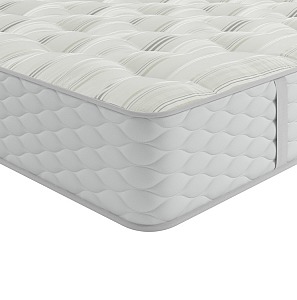
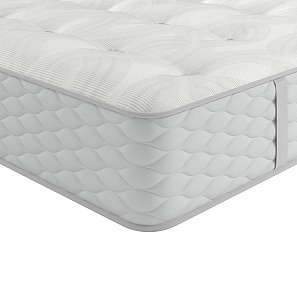
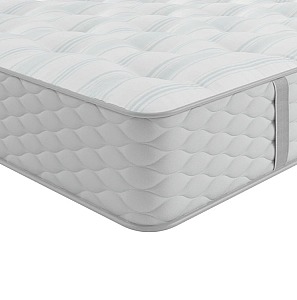
These are the classic firm back-care mattresses. Each spring sits in its own pocket and moves on its own, so the support follows your shape. Several of the UK-made own-brand models start under £350, which makes them the best value firm option on the page. Several are double sided, so you can turn them with the seasons and they last longer. See every orthopaedic mattress or the wider range of pocket sprung mattresses.
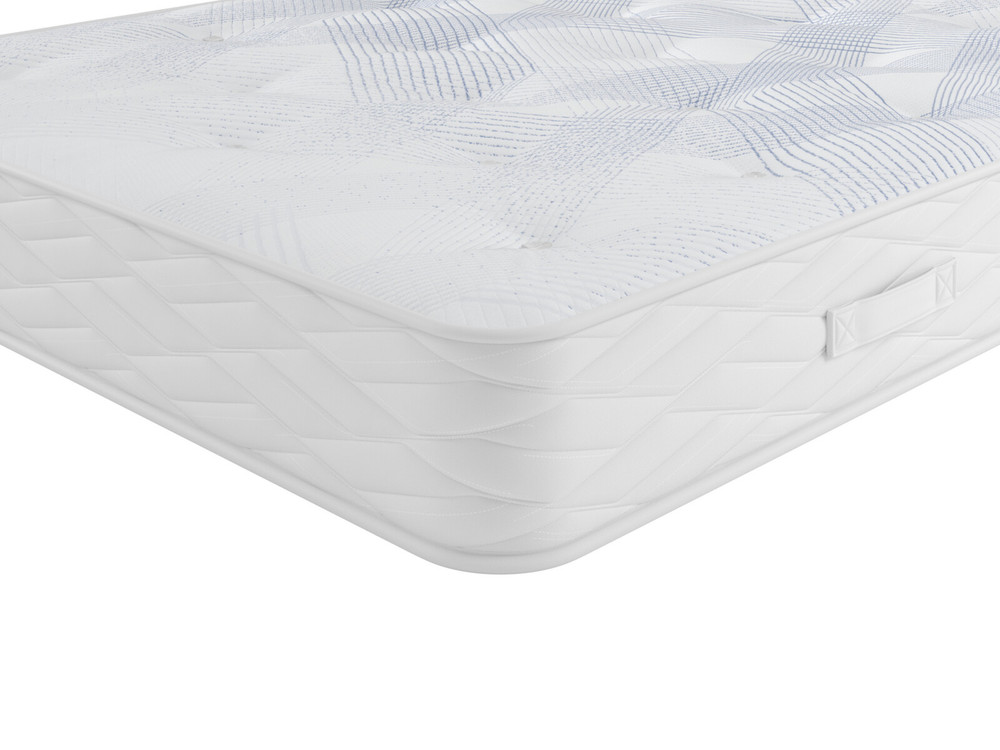
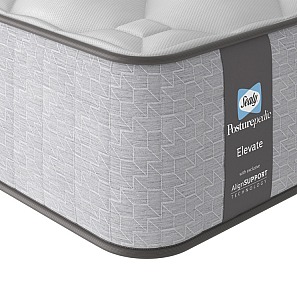
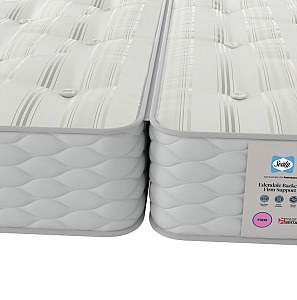
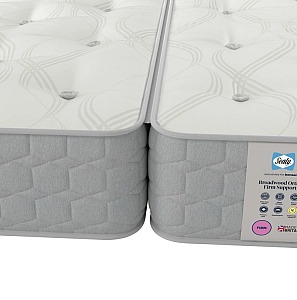
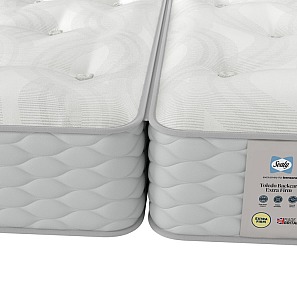
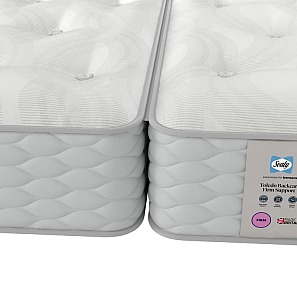
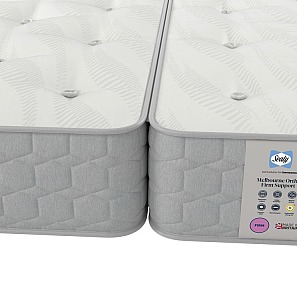
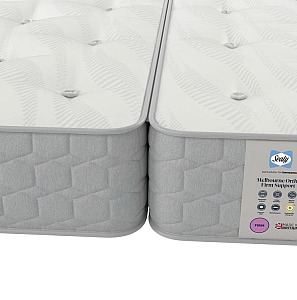
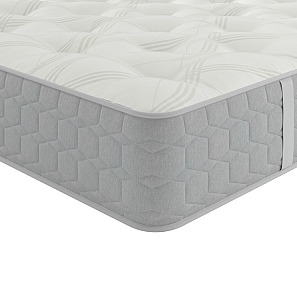
Sealy's Ortho and Backcare open coil range uses a single connected spring unit with EdgeGuard edges. It feels very firm and even, which some back sleepers love. The catch is that it does little for pressure at the shoulder, so it's rarely a good pick if you sleep on your side. Compare them with our other open coil mattresses.
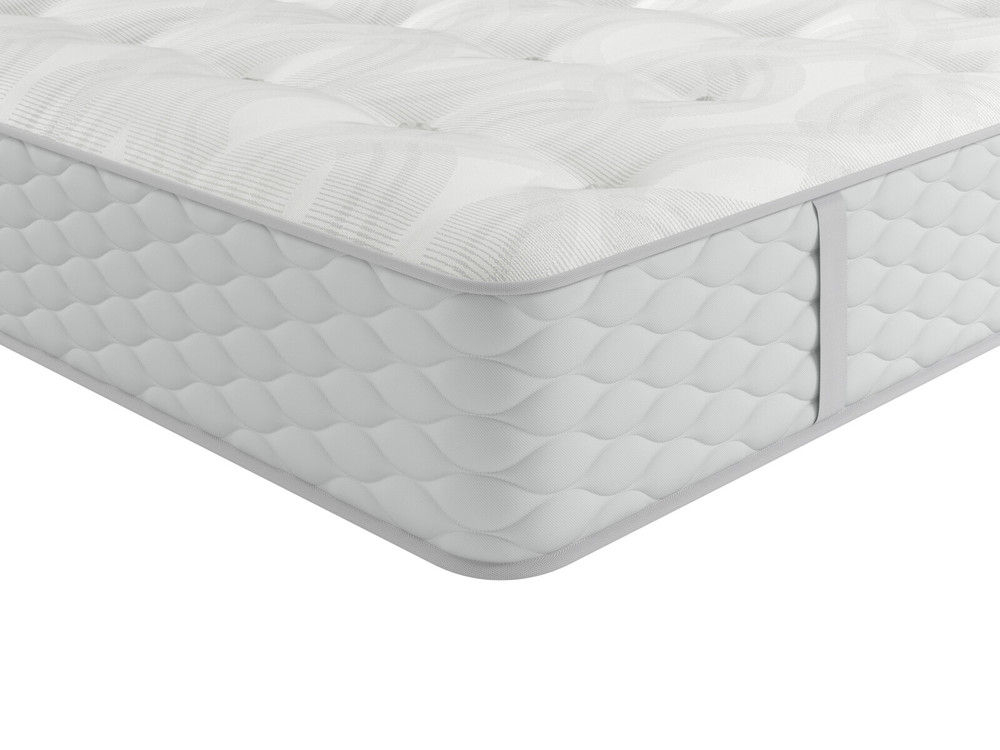
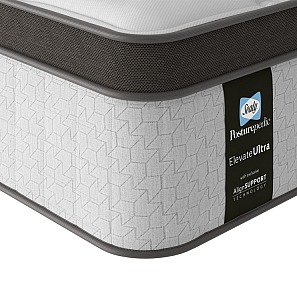
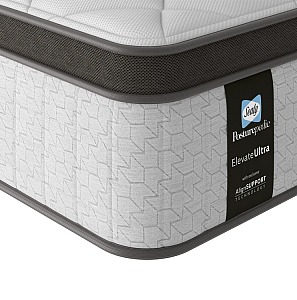
A hybrid mattress puts a deep foam, gel or latex comfort layer over pocket springs, so you get spring support with foam's pressure relief. For many people a hybrid mattress is the best balance of support and comfort. This is the type most likely to suit sleepers with back pain who also lie on their side. The iGel NanoTech range is developed with the British Chiropractic Association and uses up to 6,000 springs in dual layers. Browse all our hybrid mattresses.
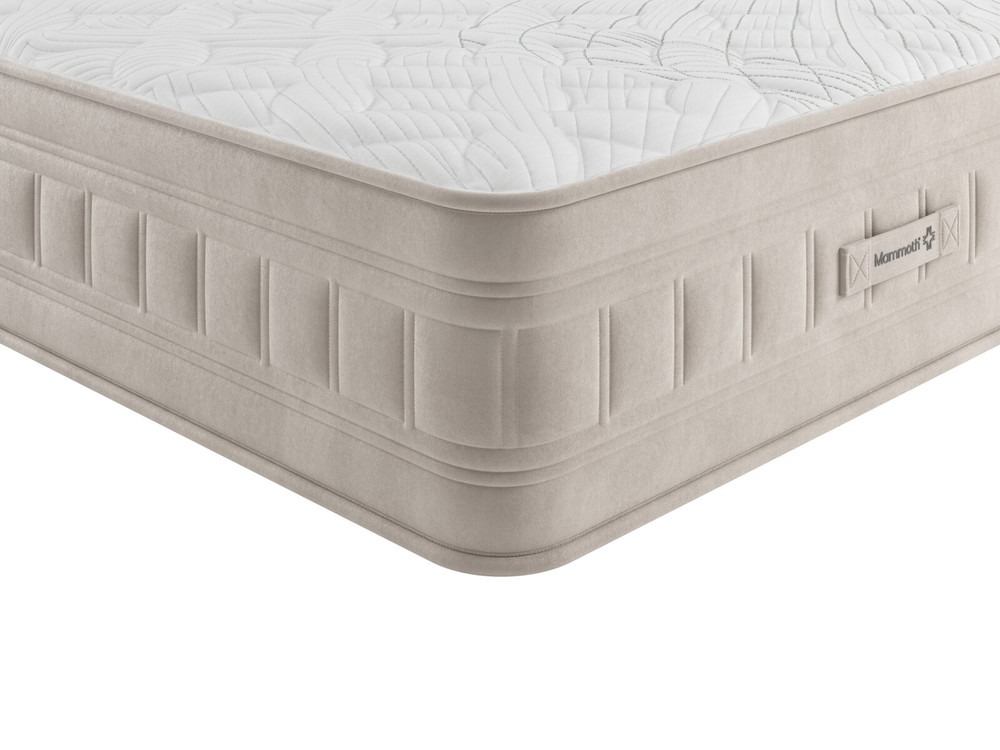
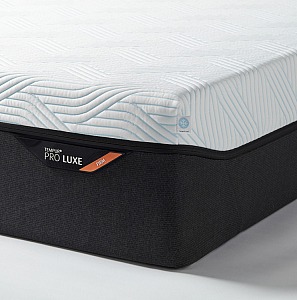
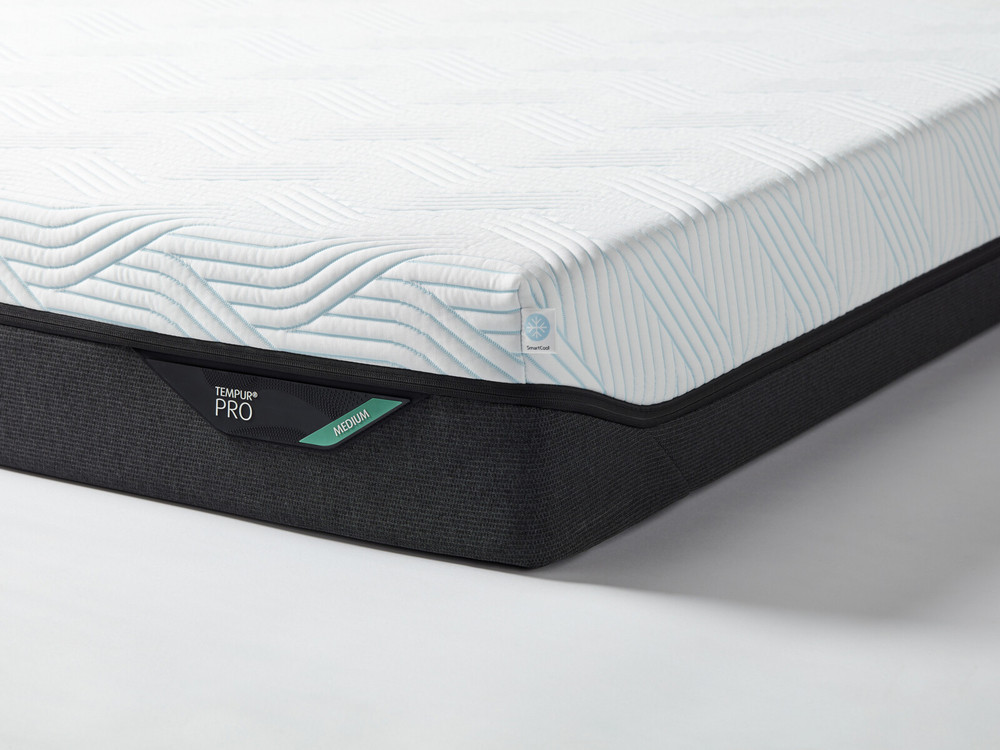
A memory foam mattress softens with body heat and moulds around you, which spreads pressure evenly. It's slower to move on, but it suits people whose pain is worse at the hips and shoulders. Tempur's Pro SmartCool comes in soft, medium, medium firm and firm. Mammoth says it's the only sleep brand with an official Chartered Society of Physiotherapy partnership. Its HealthPRO foam models use zoned Medical Grade foam. See our memory foam mattresses and Tempur mattresses.
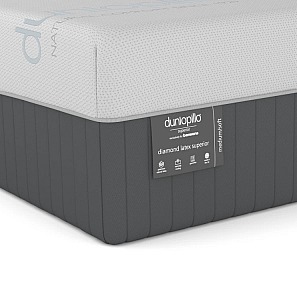
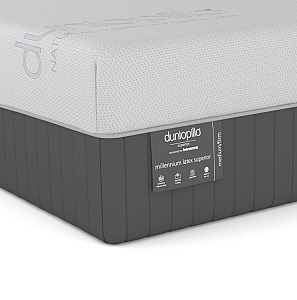
Latex is springier than memory foam and holds its shape for a long time. Dunlopillo's latex mattresses carry a 15-year guarantee (the longest here) and come in five firmness choices from soft to extra firm. The Staples and Co Restore Eco Latex Ortho 2000 pairs latex with 2,000 springs and two rows of extra firm side springs for a very firm feel. Find more in our latex mattresses.
A new mattress can't cure back pain, but an old one can make it worse. Watch out for these signs that the mattress is the problem.
If several of those ring true, it's probably time for a new mattress. If your pain is constant or getting worse, see the advice below before you spend anything.
The NHS back pain advice says most back pain gets better within a few weeks. It suggests seeing a GP if the pain doesn't improve after a few weeks of looking after it at home, or if it stops you doing everyday things. Call 999 or go to A&E if back pain comes with numbness or weakness in both legs. The same goes for loss of feeling around your bottom or genitals, or changes to your bladder or bowels.
NICE's guideline on low back pain and sciatica puts exercise and keeping active at the centre of treatment. A good mattress helps you sleep and recover, so think of it as one part of the plan rather than the whole cure.
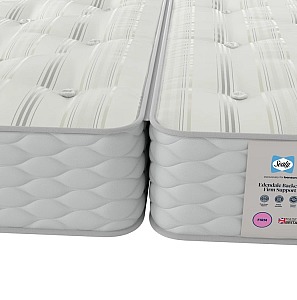
When one of you wants a firm mattress for back pain and the other likes something softer, a single mattress has to compromise. Zip and link mattresses solve it. Two single halves zip together into a king or super king. Each half can have its own firmness. The Sealy Backcare and Ortho ranges, Hypnos Inspired By Nature 05 and the iGel NanoTech models all come as zip and link here. See all our zip and link mattresses.
Pocket springs and foam also cut motion transfer, so one person's movement doesn't reach the other. That matters if back pain means you shift around in the night. Low motion transfer also means fewer broken nights for whoever lies still.
You don't have to spend a fortune on mattresses for back pain. The UK-made orthopaedic pocket sprung models and Sealy's open coil Backcare range start at a few hundred pounds. Most hybrids and memory foam mattresses here start somewhere between £300 and £1,700 depending on the model and size, while the premium Hypnos, Dunlopillo and plushtop iGel models go higher. For more low priced picks, see our cheap mattresses.
Whatever you choose, give your back time. It can take a few weeks to adjust to a new mattress. Many of the mattresses here list a 40-night comfort guarantee, so check the product page for the terms before you buy. Guarantees run from five years on most traditional models to ten years or more on the Tempur, Mammoth, iGel, Hypnos and Dunlopillo ranges.
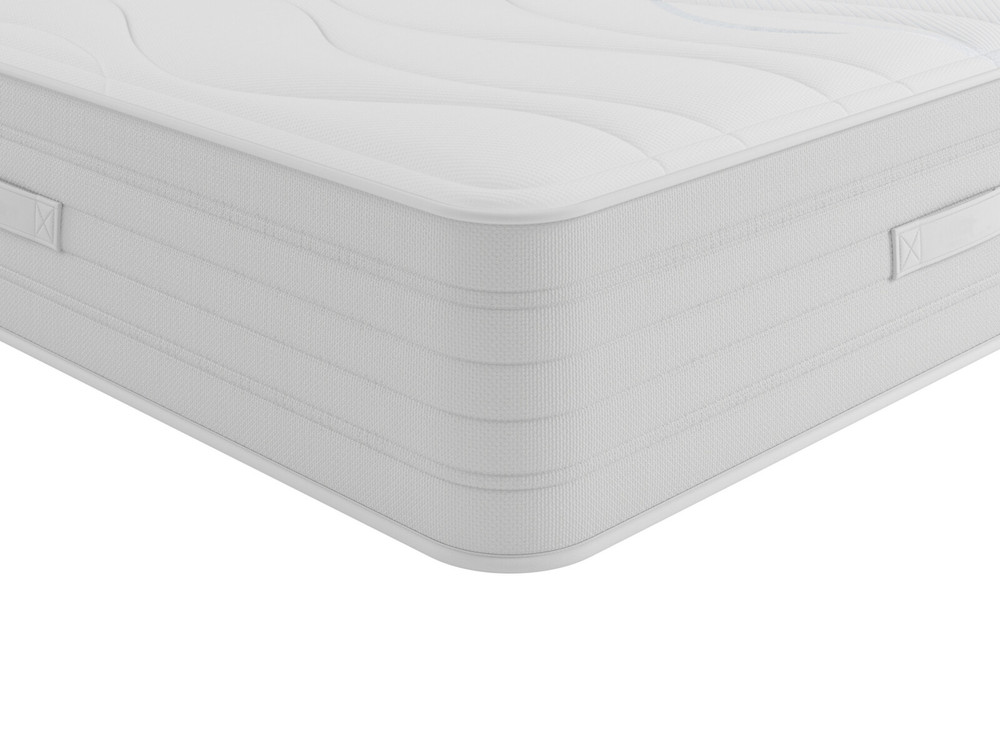
There isn't one best mattress for back pain that suits everyone. A medium firm hybrid or pocket sprung mattress suits most people because it combines firm support with some pressure relief. Back and front sleepers often prefer a firmer orthopaedic model. Side sleepers usually do better with a deeper foam or latex top.
Not always, because the best known mattress trial found medium firm mattresses eased chronic low back pain better than firm ones. Firm suits heavier people and back or front sleepers, but a mattress that's too hard can make pain worse for lighter people and side sleepers.
One that stops your hips sinking, so look for firm support in the middle of the bed. Zoned mattresses such as the Mammoth HealthPRO Optimum, Dormeo Octasmart and Simba Sleep Hybrid are built with extra support under the hips.
They can be, if the firmness suits you. Orthopaedic isn't a regulated term in the UK, so check the spring count and firmness rating rather than relying on the name.
Memory foam is better at easing pressure at the hips and shoulders. Pocket springs give firmer, more responsive support and sleep cooler. A hybrid mattress gives you both, which is why it's a popular choice for back pain.
Usually a few weeks, even on the best mattress for back pain. Your body has adapted to your old mattress, dips and all, so a supportive new one can feel strange at first. Give it time before you decide.
A topper can make a firm mattress kinder to your shoulders and hips. It won't fix a mattress that sags, because the topper follows the dip.
Every eight to ten years is a good rule, sooner if it sags or you wake up stiff. Double sided mattresses that you turn tend to last longest.