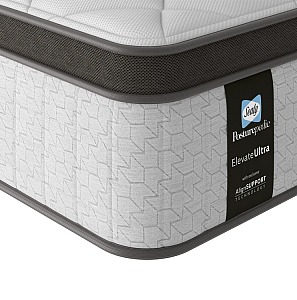
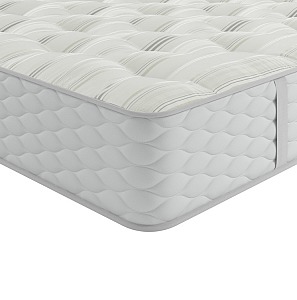
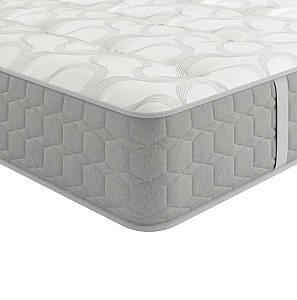
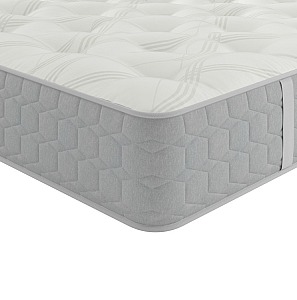
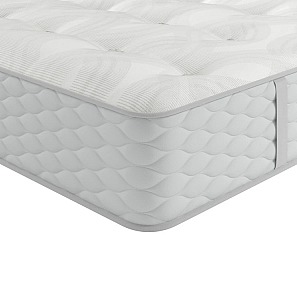
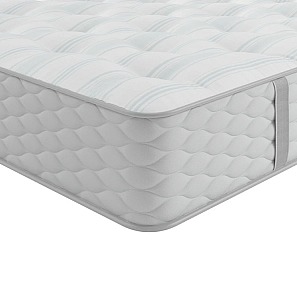
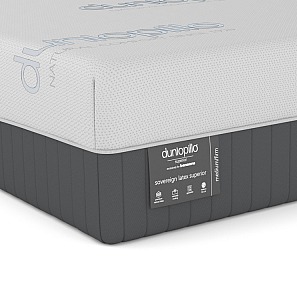
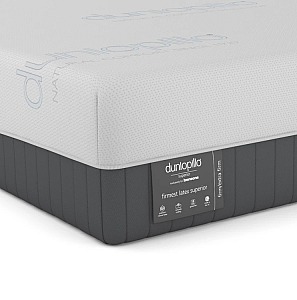
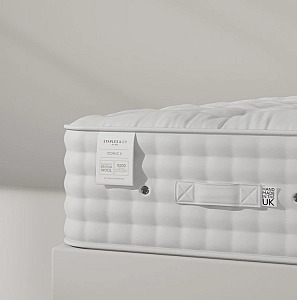
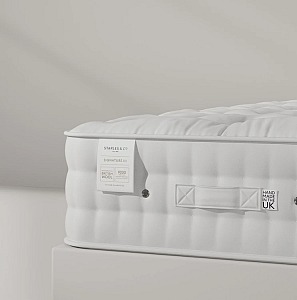
An extra firm mattress is the hardest feel you can buy: a flat, solid surface that barely gives under your hips and shoulders. It suits heavier sleepers, back and front sleepers and anyone who likes to lie on top of the bed rather than in it. Every model here is rated extra firm (9 or 10 out of 10), from budget open coil and orthopaedic pocket sprung designs to latex, wool and zip and link builds, in sizes from single to super king.
Sleep on your side? A very hard mattress can press on the shoulder, so read our guide below or compare our firm mattresses and medium firm mattresses.
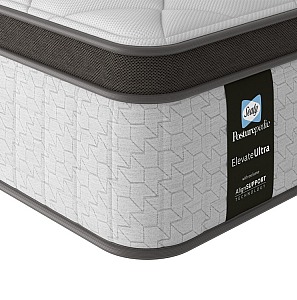
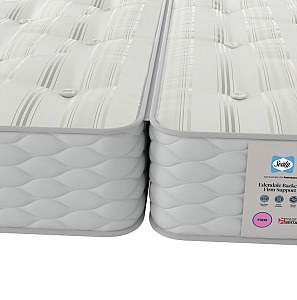
It sits at the very top of the firmness scale. On our product pages every model has a rating from 1 (softest) to 10 (firmest): medium firm is around 6, firm is 7 or 8, and extra firm is 9 or 10. Some shops call the same feel a hard mattress, a very firm mattress or "orthopaedic extra firm". There's no British standard for these names, so one brand's extra firm can feel close to another brand's firm.
The feel comes from two things. First, the core: thicker spring wire, more tightly packed pocket springs or dense latex and foam. Second, thin, tightly tufted comfort layers on top, so there's very little padding between you and that core. The result is a surface with lots of support and very little sink.
A firm mattress still has some cushioning on top, so your shoulder and hip settle in by a centimetre or two. An extra firm one cuts that back further. On a firm bed you feel supported; on an extra firm bed you feel almost nothing give at all.
For most people a firm or medium firm model is the safer choice. Extra firm makes most sense when a firm bed still feels too soft to you, which usually happens when you're heavier, or when you simply prefer a hard surface. If you're unsure, start with our firm mattress range, or look at the firm double mattresses if you're buying a double.
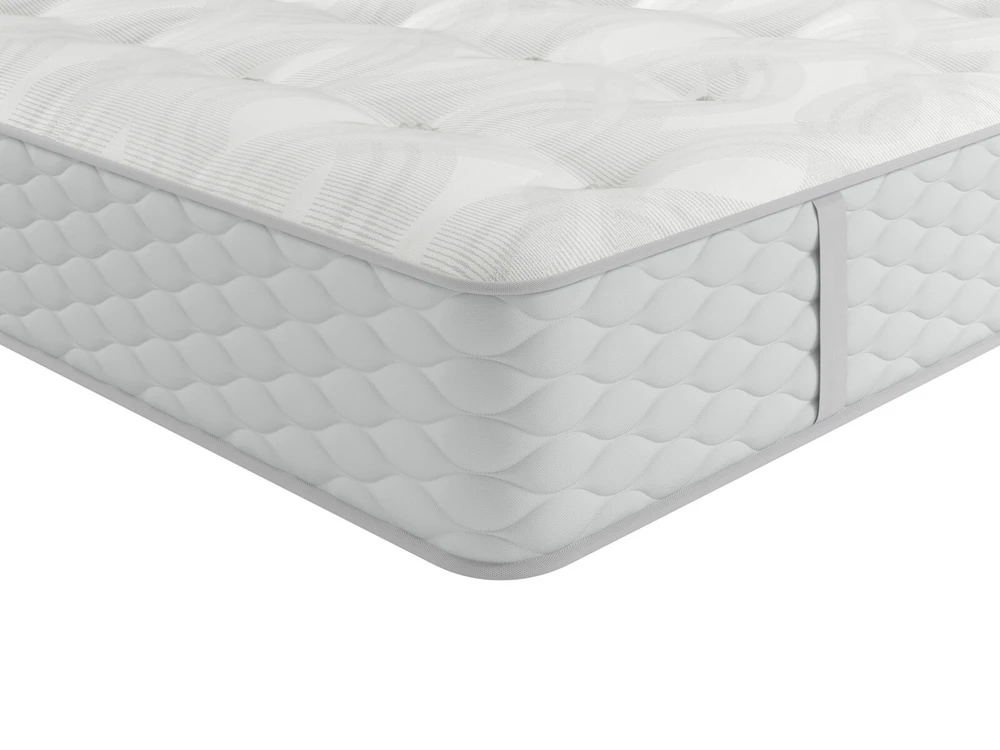
Your weight and sleeping position matter far more than the mattress firmness label. As a rough guide:
It's less likely to suit lighter people (under about 10 stone) or anyone who sleeps mostly on their side, because neither presses far enough into the surface to get any cushioning.
This site is built for side sleepers, so we'll be straight: for most side sleepers an extra firm mattress is too hard. Your shoulder and hip are the widest parts of your body. On a hard surface they can't sink in, so the spine bends at the waist and the shoulder takes the pressure. Numb arms, sore hips and a stiff neck are the usual signs.
There are three cases where it can still work:
If none of those fit, look at medium firm or pillow top mattresses, which are usually the sweet spot for side sleepers.
Not always. A very firm mattress gives strong support and helps some people with lower back pain, especially bigger back sleepers. But a mattress that's too hard for your weight can create pressure points and make aches worse. Many people with back pain find a medium firm or firm bed more comfortable than an extra firm one.
Look for even support from head to toe, a zoned or reinforced middle section (Sealy's PowerPack lumbar zone is one example) and a surface that lets your shoulders sit level with your hips. Our mattresses for back pain and orthopaedic mattresses cover the wider range. If pain lasts more than a few weeks, the NHS back pain advice explains when to see a GP or physio - no mattress is a cure.
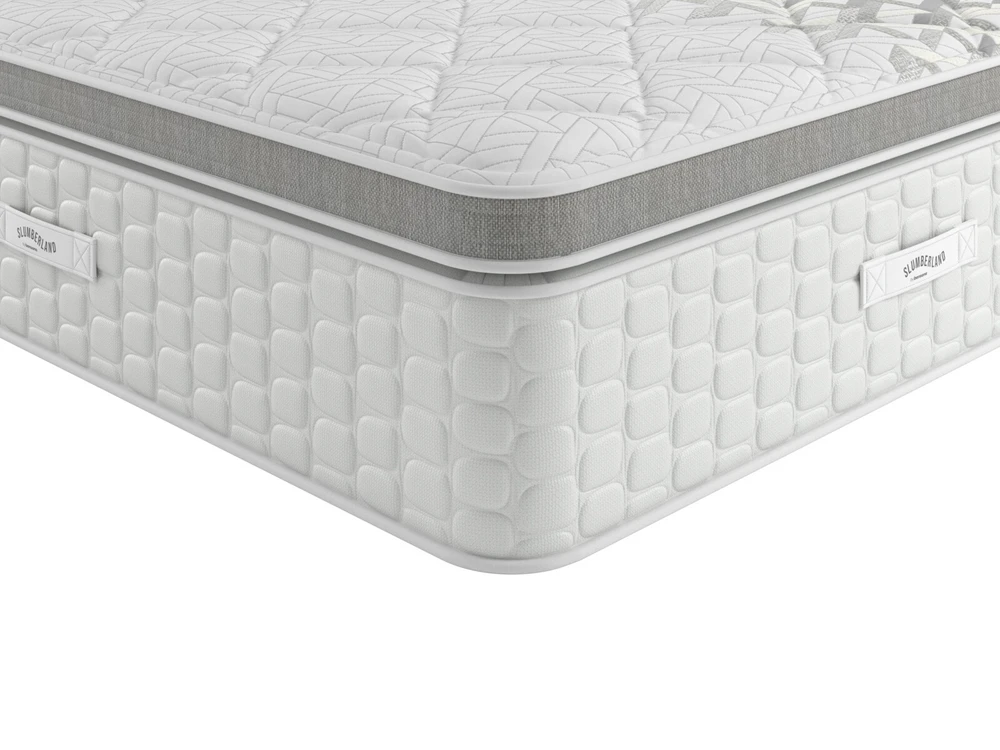
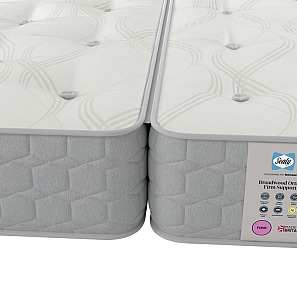
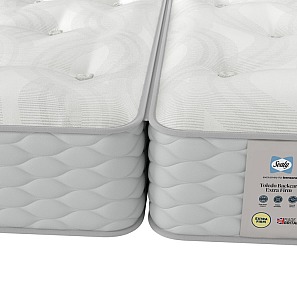
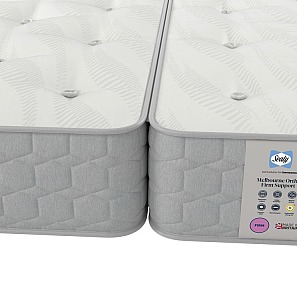
One continuous spring unit with thick, tempered wire. It's the traditional orthopaedic build and usually the cheapest way to get a very hard feel. Sealy's Melbourne, Toledo, Broadwood, Catalonia and Edendale models here all use PostureTech springs with an EdgeGuard edge. See all open coil mattresses.
Each spring sits in its own fabric pocket and moves on its own, so you feel less of your partner turning over. Models here range from 600 or 1,000 springs in budget orthopaedic designs up to 12,200 and more in luxury hand made beds. Browse pocket sprung mattresses.
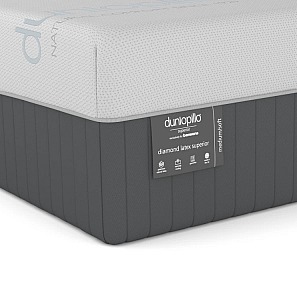
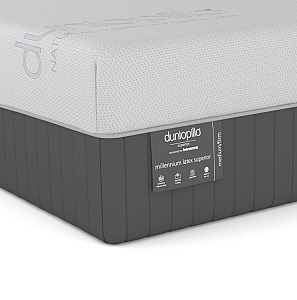
Latex is dense and springy, so it can feel firm without feeling dead. Dunlopillo's Firmrest uses Talalay latex over an aerated foam core, and Slumberland's Response Latex range pairs a latex layer with dual or triple layer pocket springs. More in our latex mattresses.
Memory foam is usually soft, but a thin, dense layer over a strong spring unit adds some pressure relief while the overall feel stays very hard. The Slumberland Air memory range works this way.
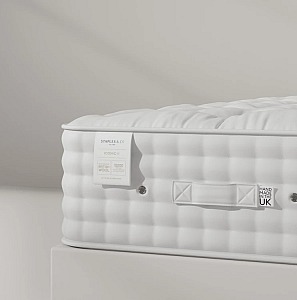
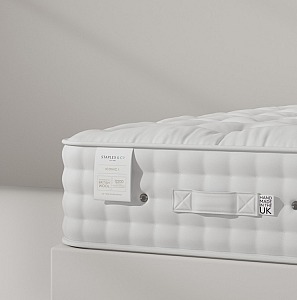
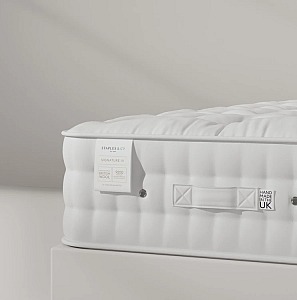
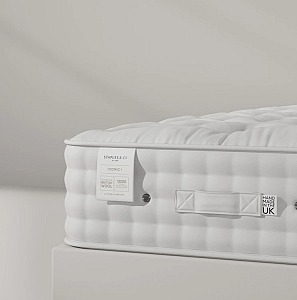
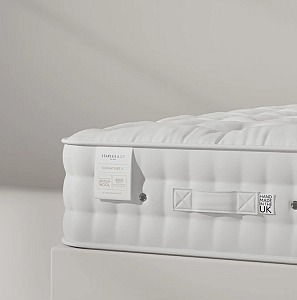
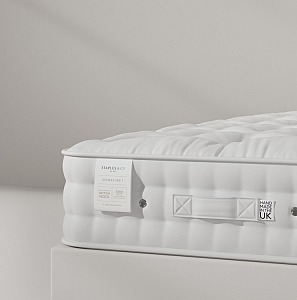
Staples & Co and Hypnos build these beds from wool, cotton, flax, mohair and horsehair over deep pocket spring units. They're the most expensive, but many are turnable, breathe well and carry 10-20 year guarantees. See natural mattresses.
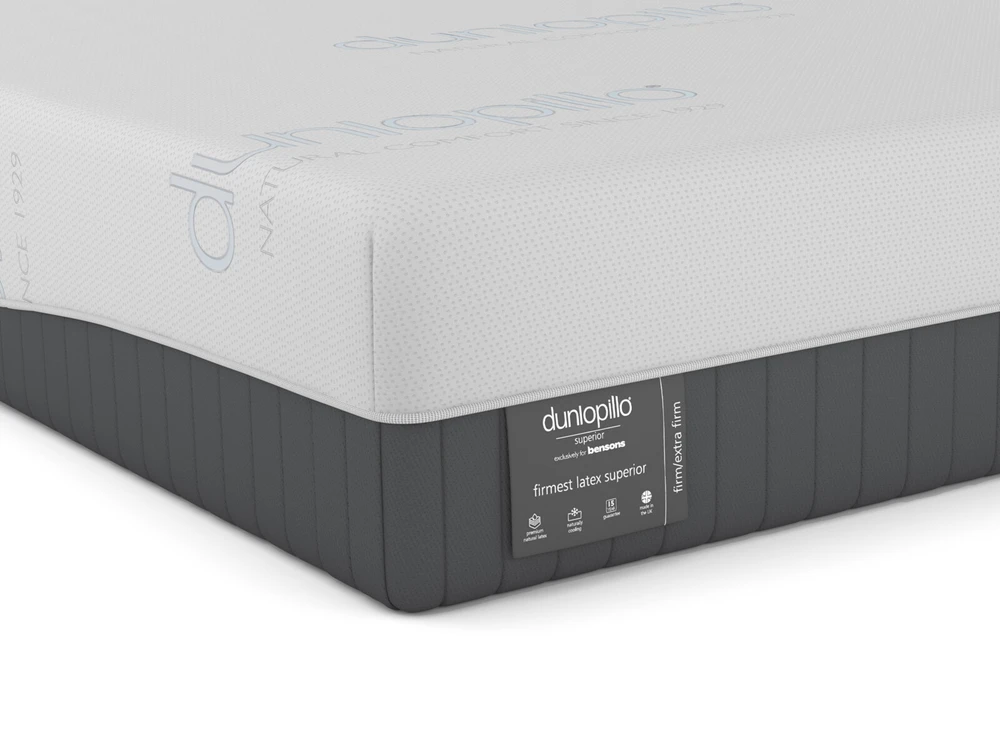
A side-by-side look at some of the extra firm models on this page. Prices change daily, so these are rough "from" prices for the smallest size; click through for today's price in each size.
| Model | Type | Core | Depth | Guarantee | From about |
|---|---|---|---|---|---|
| Sealy Melbourne Ortho | Open coil | Twice tempered PostureTech springs, PowerPack lumbar zone | 27cm | 5 years | £350 |
| Sealy Toledo Backcare | Open coil | PostureTech springs, EdgeGuard edge | 27cm | 5 years | £420 |
| Slumberland Air 9.0 Memory | Hybrid | 3,250 nested pocket springs, 60mm 7-zone memory foam | - | 8 years | £950 |
| Hypnos Inspired By Nature 01 | Pocket sprung, natural | ReActivePro 6-turn springs, 3 British wool fleeces | 29cm | 10 years | £1,440 |
| Staples & Co Restore Eco Latex Ortho 2000 Zip & Link | Pocket sprung, latex | 2,000 pocket springs, Balance latex | 32cm | 10 years | £1,450 |
| Dunlopillo Firmrest Latex | Latex | 25mm Talalay latex, VENTRA Core | 27.5cm | 15 years | £1,600 |
| Sealy Bronte Posturepedic | Open coil, latex | AlignSupport springs, latex and MemorySense layers | 30cm | 10 years | £1,700 |
| Staples & Co Signature I | Pocket sprung, natural | 7,200 triple layer springs, British wool | 31cm | 15 years | £2,600 |
| Staples & Co 12,200 Spring (Model I) | Pocket sprung, natural | 12,200 springs, mohair and horsehair | 37cm | 20 years | £4,600 |
From the products on this page, prices fall into rough bands (smallest size, before any offers):
A double or king size costs more than the "from" price, and zip and link versions cost roughly the same as two single beds.
Most extra firm models here come in every common mattress size: single, small double, double, king size and super king. A single or small double works well in a guest room or for a teenager who prefers a hard bed; for couples, a king size or super king gives each person more room to move without rolling together.
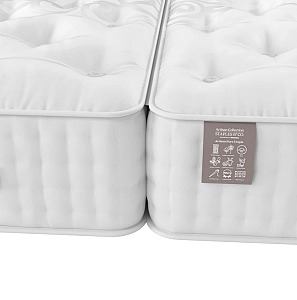
If you and your partner want different feels, a zip and link mattress is the answer: two single halves zipped into one bed. The Sealy, Hypnos and Staples & Co zip and link models on this page let one side be extra firm while the other is firm or medium, so a heavier back sleeper and a lighter side sleeper can share a super king without compromise.
Give a new mattress time first. Firm and extra firm beds take two to four weeks to break in, and the fillings settle a little over the first few months. After that, these signs suggest it's too hard for you:
A topper is the cheapest fix. If that doesn't help, a firm or softer mattress may suit you better. Check the returns and comfort exchange terms on the product page before you buy.
Rotate it head to toe every month for the first three months, then every three months. If it's two-sided (many hand tufted spring and wool models are), turn it over as well, so both sides wear evenly. Use a breathable protector and air the bed each morning. Even a very firm mattress will soften slowly; the National Bed Federation suggests checking your bed for wear after about seven years. Which?'s mattress buying advice is worth a read if you're comparing brands.
It's good if it suits your weight and sleeping position: heavier people and back or front sleepers often sleep well on one, while lighter people and side sleepers often find it too hard.
Models rated 10 out of 10, usually orthopaedic open coil or dense pocket sprung beds with thin, tightly tufted fillings. The Sealy Ortho and Backcare extra firm models here are among the hardest.
Not automatically. Support matters more than hardness. A bed that's too hard for your weight can cause pressure points. Many people with back pain do best on medium firm to firm.
A little. Fillings settle in the first few months, so it will feel slightly less hard, but a good one keeps its support for years.
Heavier side sleepers sometimes can. Most side sleepers need more cushioning at the shoulder and hip, so add a topper or choose firm or medium firm instead.
Most of the models here come in single, small double, double, king size and super king, and several are also made as zip and link pairs.